

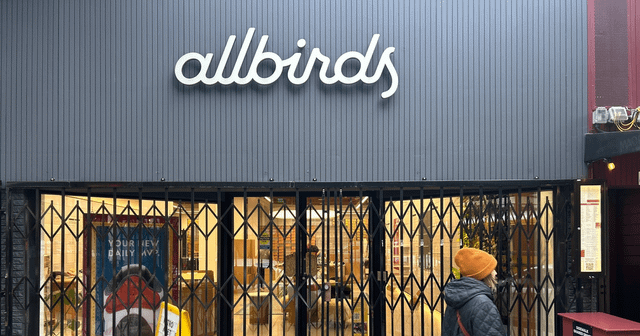
The recent announcement by Allbirds to close nearly all of its U.S. retail stores signals a growing trend among apparel brands pivoting away from traditional storefronts. Once a favorite among tech-savvy consumers, this move highlights how brands are channeling their resources toward strengthening direct-to-consumer (DTC) e-commerce platforms. By focusing on online sales, companies aim to streamline operations and reach a broader audience without the overhead of physical locations.
This digital-first approach allows brands to experiment with personalized shopping experiences, targeted marketing, and data-driven product development. However, it also introduces fresh challenges, particularly when it comes to managing online returns, delivery efficiency, and maintaining a seamless customer experience without face-to-face interaction.
With growing consumer awareness around environmental impact, apparel brands like Allbirds have emphasized sustainability as a core value. Closing physical stores can reduce carbon footprints associated with maintaining buildings and in-person inventory management, but it switches the focus to online delivery and returns logistics — often termed reverse logistics.
"Handling returns efficiently and sustainably is a major challenge as e-commerce grows. Minimizing transport emissions and waste during returns can make or break a brand’s green claims."
Innovative solutions such as consolidated returns hubs, recyclable packaging, and predictive inventory models are helping brands reduce waste and lower delivery emissions. The ability to turn returned products back into inventory or recycle materials contributes significantly to sustainability goals, making reverse logistics a strategic priority.
Consumers benefit from increased convenience as brands optimize online shopping through faster delivery options, virtual try-ons, and frictionless returns. However, the absence of physical stores means that brands must invest in creating confidence and trust through other means, such as detailed product descriptions, customer reviews, and responsive support.
This convenience-centric model drives demand for predictive logistics, where inventory is stocked closer to customers, and smart routing reduces delivery times. Efficient reverse logistics also ensures customers are more likely to shop again, knowing returns are hassle-free.
This growing shift away from brick-and-mortar stores toward digital retail is a reflection of how consumer priorities and technological capabilities are evolving hand in hand. Brands that successfully integrate sustainable practices with advanced online logistics will not only reduce costs but also gain competitive advantage in the crowded apparel market.
As online shopping continues to dominate, the future of retail lies in balancing consumer convenience, sustainability, and operational efficiency — all powered by smart technology and data insights.