

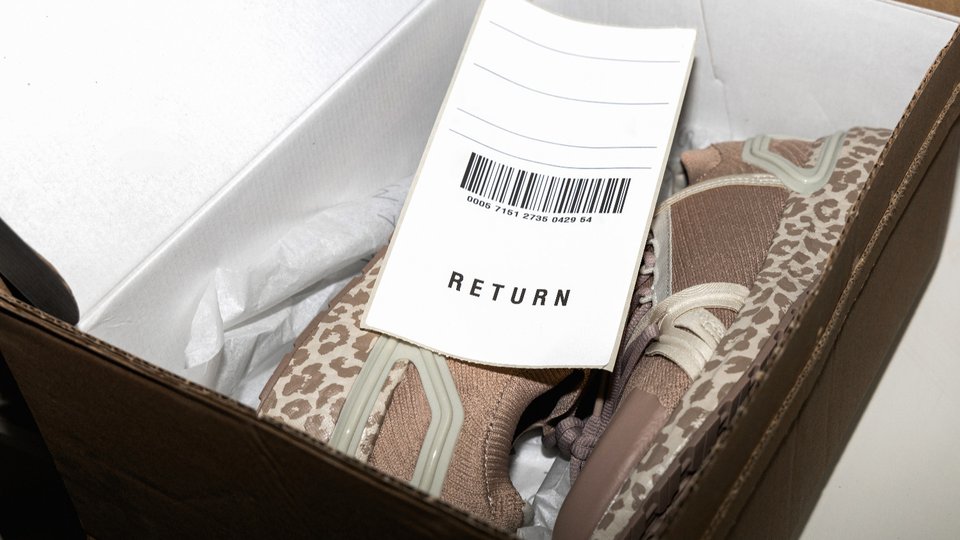
In the apparel industry, returns have become an inevitable part of the e-commerce landscape. While many brands focus on minimizing return rates, few fully grasp the hidden costs returns impose on customer experience. Beyond direct financial losses, complex return processes can erode brand loyalty and customer satisfaction.
Inefficient return handling leads to delayed refunds, unclear communication, and frustrating logistics, all of which damage how customers perceive a brand. In today’s competitive online retail environment, a smooth return journey is as crucial as the initial purchase experience.
Reverse logistics — the process of managing returns — must be strategically optimized rather than seen only as a cost center. Apparel brands can implement smarter reverse logistics by:
By turning reverse logistics into a seamless experience, brands not only reduce overhead but also reinforce customer trust and loyalty.
With rising environmental concerns, apparel brands face pressure to minimize the ecological footprint of returns. *Sustainable reverse logistics* can serve dual purposes — reducing waste and appealing to eco-conscious consumers. Strategies include:
"Brands that integrate sustainability into their returns strategy will not only cut costs but also build stronger connections with environmentally aware consumers."
The modern consumer expects convenience, transparency, and speed throughout their shopping journey — including returns. Apparel brands can enhance experience while controlling costs by:
Apparel returns are complicated due to sizing issues, seasonal trends, and the high likelihood of customers ordering multiple sizes or styles to try on at home. This increases return volume and complexity in processing.
By optimizing transportation, encouraging product refurbishment or recycling, and reducing excess packaging, reverse logistics can lower the environmental impact of returns and align with sustainable business goals.
Technology automates return authorizations, tracks parcels, integrates inventory systems, and provides customers with transparency — all of which streamline operations and enhance customer satisfaction.
Brands can offer multiple return options, clearly communicate policies, and use data insights to manage products prone to returns — ensuring consumer ease without incurring excessive expenses.
Source article: The hidden customer experience cost of returns