

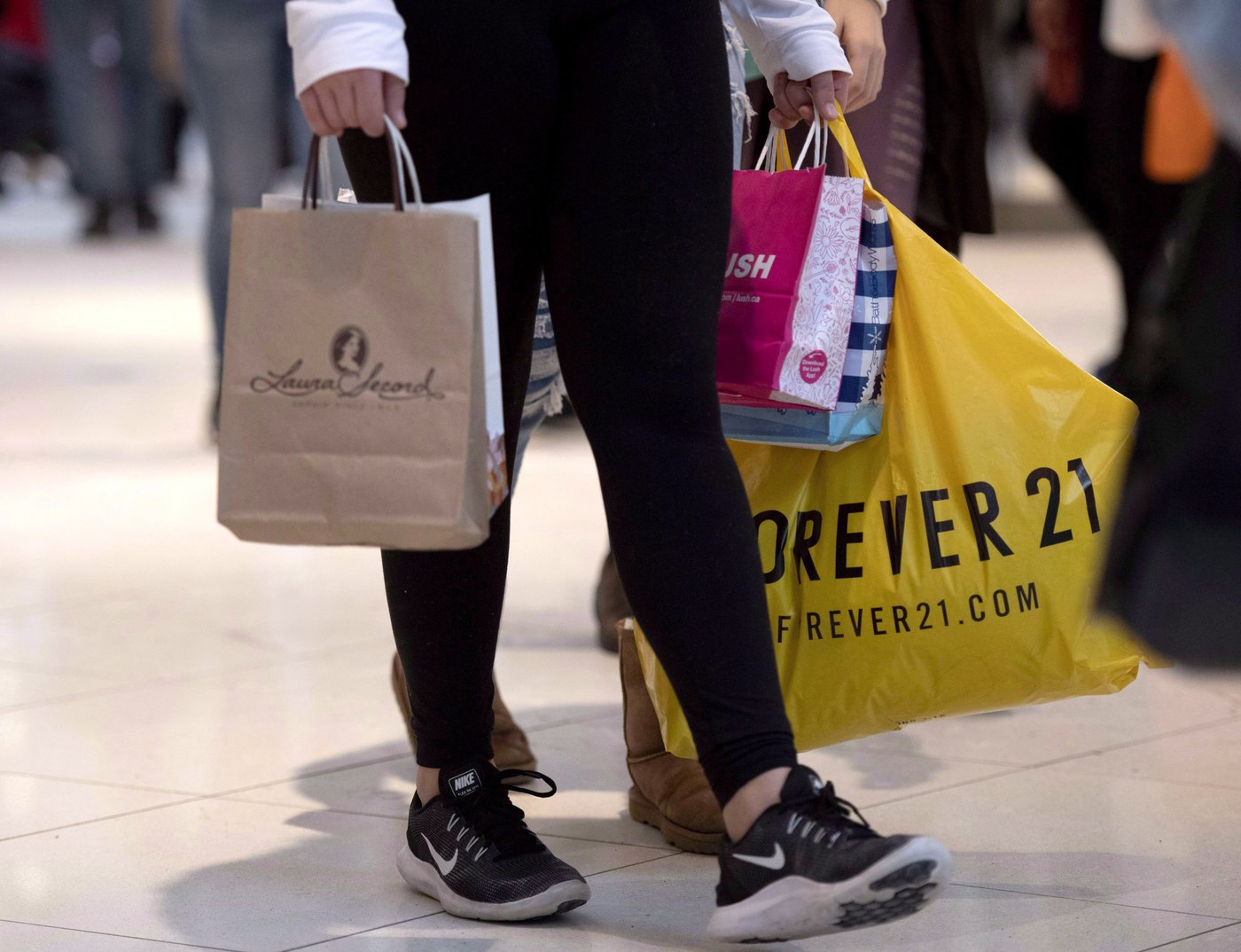
Recent analysis from CIBC highlights a growing divergence in consumer spending patterns across Canada and the U.S., often described as a K-shaped recovery. This phenomenon reflects a split where higher-income groups experience increased spending and economic stability, while lower-income groups face ongoing financial challenges. This polarization has significant implications for retail markets and supply chain management.
For businesses and consumers alike, understanding these patterns is key to anticipating demand shifts. This divergence affects product assortments, pricing strategies, and even online shopping behaviors, as different demographics prioritize convenience, quality, and affordability differently.
The pandemic accelerated the adoption of online shopping, driving record sales but also a surge in product returns. Increasingly, consumers take advantage of convenient return policies, leading to more frequent reverse logistics operations. This trend is especially pronounced among shoppers who purchase multiple items to trial and send back those that don’t meet expectations.
This growth in returns creates both operational challenges and opportunities for retailers. Companies must invest in efficient returns management systems to minimize losses while maintaining customer satisfaction.
Retailers and logistics providers are facing mounting pressure to make reverse logistics more sustainable. The transportation, processing, and restocking of returned items contribute significantly to carbon footprints.
"The rise in product returns demands innovative sustainable practices, including improved packaging, smarter inventory forecasting, and enhanced recycling initiatives."
At nVerse, advancing technology in delivery tracking, real-time inventory updates, and eco-friendly logistics solutions could help reduce the environmental impact while streamlining processes.
Consumer expectations for fast, flexible, and hassle-free shopping experiences continue to rise. Free returns and rapid delivery options have become key competitive differentiators, but they also increase costs and complexity for retailers and logistics providers.
Innovations in predictive analytics, automated returns processing, and sustainable delivery models can help businesses offer convenience without sacrificing operational efficiency or environmental responsibility.
A K-shaped recovery refers to an economic pattern where different groups experience diverging financial outcomes, with some gaining economic strength while others face ongoing declines. This split affects how consumers spend across sectors and demographics.
Online shopping increases the volume of returns because consumers cannot physically inspect products before buying. This often leads to multiple purchases of similar items and subsequent returns, particularly in apparel and electronics categories.
Reverse logistics manages the return flow of products and packaging, which directly affects environmental impact. Efficient reverse logistics can reduce waste, lower emissions from transport, and support recycling initiatives.
By leveraging technology for accurate demand forecasting, automating returns processing, and adopting sustainable delivery methods, businesses can provide fast, easy shopping experiences while controlling costs and environmental impact.