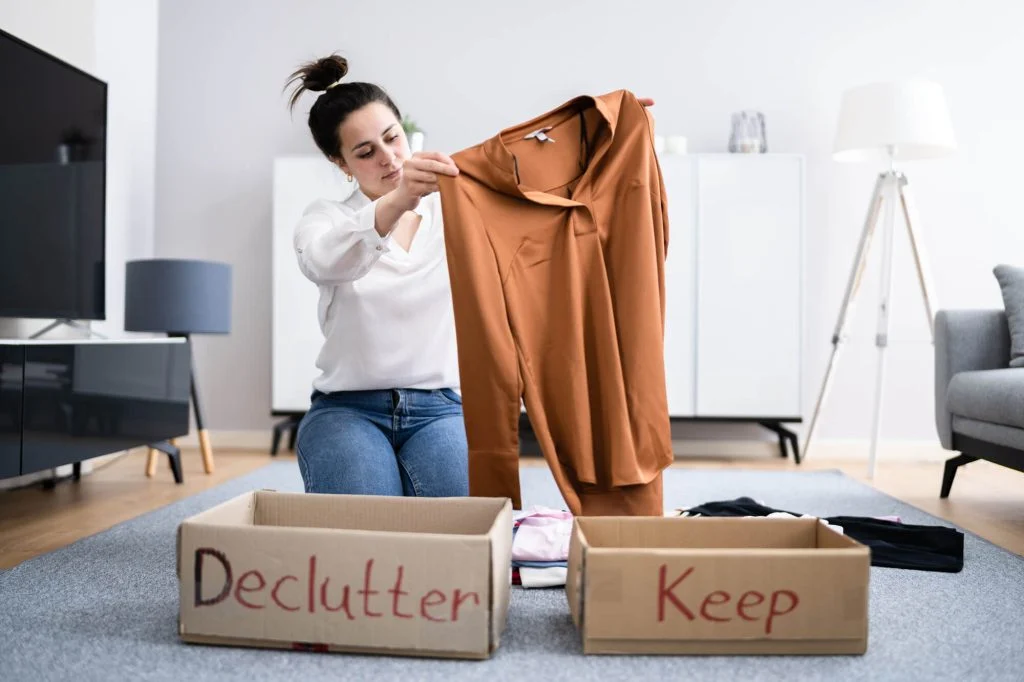
Best Services for Home Collection of Unwanted Items: Comparing Return Pickup Service Options
How Ecommerce Returns Work
As ecommerce continues to grow, returns have become an essential part of the online shopping experience. Research indicates that up to 30% of all online purchases are returned, compared to just 8-10% in brick-and-mortar retail. The need for customer-friendly return processes is higher than ever.
- Traditional returns often require the customer to repackage items, print shipping labels, and travel to a post office or drop-off location.
- Return logistics (also called reverse logistics) costs retailers billions annually, making efficient solutions vital for both customer satisfaction and business sustainability.
- The demand for at-home collection or return pickup service is increasing, especially as shoppers seek convenience and minimal friction when returning items.
"Effortless returns are now a deciding factor in where customers choose to shop online."
Evolution of Return Pickup Services
Return pickup services have emerged to simplify what was once a complex and time-consuming process for customers. Today, various providers enable home collection, allowing users to skip the trip and schedule a pickup from their doorstep.
- Courier companies: Some major carriers offer scheduled return pickups for certain merchants but often require advanced planning and added fees.
- Retail partnerships: Some retailers contract with local delivery services for home pickups, but geographic coverage can be limited.
- Digital platforms: Modern logistics apps now offer flexible, on-demand home pickup options directly to consumers, covering a range of brands and products.
The result is a faster, less stressful return process for consumers and greater operational efficiency for businesses managing high return volumes.
The intersection of logistics innovation and digital technology is fundamentally reshaping the return experience. Modern return pickup service solutions are leveraging:
- AI-powered routing and scheduling to optimize driver networks and reduce collection times.
- App-based booking, package tracking, and instant notifications for complete process transparency.
- Gig-economy models that allow flexible, on-demand delivery for seamless home pickup.
These advancements not only make life easier for customers but also help businesses lower return costs, gain real-time insights, and deliver better service.
nVerse Insight: Reshaping the Return Experience
nVerse (by WeReturn Inc.) exemplifies how home collection and gig-powered technology are modernizing reverse logistics. With nVerse, customers use a dedicated app to book a return pickup service directly from their doorstep, eliminating the need to visit physical drop-off locations. A vetted driver collects the item and ensures same-day delivery to the designated return destination.
This approach is not only user-friendly but also adds flexibility and speed to the reverse supply chain. For businesses, seamless home returns are increasingly essential for strong customer loyalty and operational efficiency.
As the post-purchase phase evolves, integrated logistics platforms like nVerse are paving the way for hassle-free ecommerce returns—enabling brands and customers alike to benefit from innovative pickup and delivery models.
Partner with nVerse to improve your customer return experience.
Learn more about effortless online returns at
nversenow.com.
Download the nVerse app to schedule a return pickup from home:
FAQ
-
What is a return pickup service?
A return pickup service allows customers to schedule the collection of unwanted ecommerce purchases from their home, instead of dropping them off at a store or shipping location.
-
How does home collection benefit ecommerce shoppers?
Home collection provides convenience, saves time, and reduces the hassle associated with traditional return methods.
-
How do businesses benefit from improved return pickup services?
Businesses benefit from higher customer satisfaction, more efficient return processing, and valuable data about return behaviors.
-
What role does technology play in reverse logistics?
Technology enables app-based scheduling, real-time package tracking, optimized delivery routes, and more efficient reverse supply chains.
Sources