

For ecommerce businesses, handling returns efficiently is no longer a behind-the-scenes operation—it's a critical touchpoint shaping customer loyalty and profitability. As return volumes swell, choosing the right platform comes down to a careful evaluation of returns management features. In practice, these features bridge customer satisfaction, operational efficiency, and measurable cost savings. But platform offerings vary widely, and some tools go much further than others in reducing friction for both shoppers and internal teams.
Broadly speaking, evaluating platforms means comparing not only the presence of common features but also the quality of their execution. Automated tracking, for instance, is nearly universal, but few platforms close the loop from request to doorstep pickup to refund with real-time status and transparency. Such differences can drive measurable value at scale.
Let's dig into the eight essential returns management features and how industry-leading platforms differentiate themselves in each category, helping you prioritize which capabilities are truly must-have versus optional.
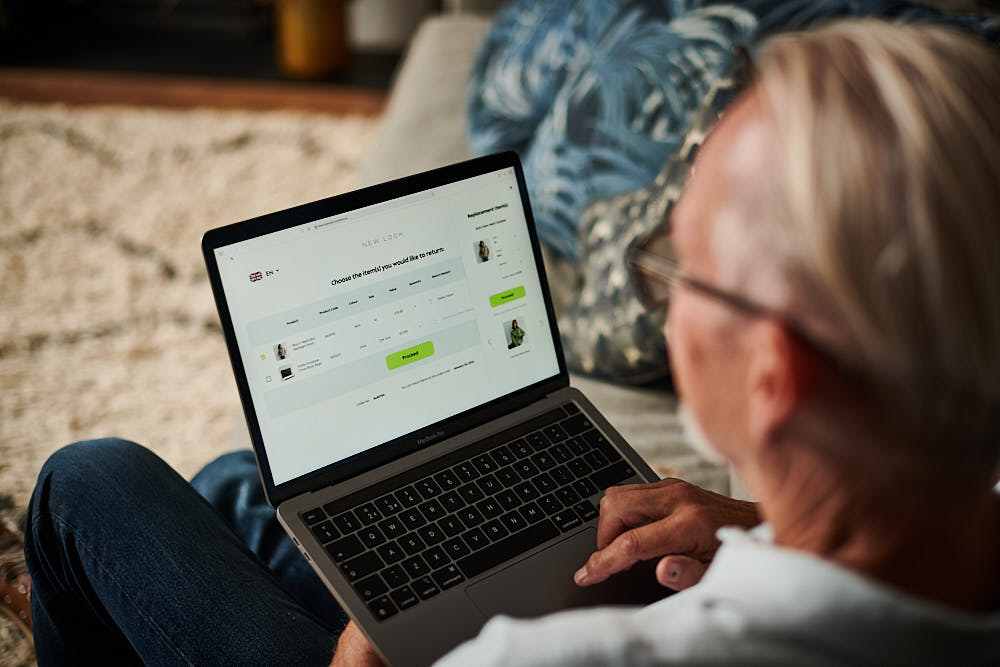
A customer-facing portal enables self-service returns initiation without the need for support tickets or phone calls. Leading solutions support branded experiences, eligibility logic, RMA generation, and multi-language options.
Real-time tracking allows customers and businesses to monitor each step—from pickup scheduling to warehouse receipt and refund. Some platforms even automate notifications, keeping all parties updated on status changes. This transparency can significantly elevate customer trust and reduce WISMO ("Where Is My Order?") contacts.
Success depends on supporting customer-preferred methods, not just defaulting to in-store or mail returns. Doorstep pickup—where a courier collects packages from the customer's home—removes a major pain point, as discussed in when your ecommerce business needs returns management software. Coverage may also include locker drop-offs, scheduled carrier pickups, and returns to partner retail locations.
Tailor return windows, eligibility, and exception handling to fit diverse product types or customer tiers. Advanced platforms empower businesses to embed logic for high-value SKUs, fraud detection, or automated approvals.
Seamless integrations with major carriers, third-party logistics providers, and fulfillment centers ensure returns are processed without manual intervention. Some platforms go further by supporting gig-driven pickup networks, enabling faster doorstep collection and accelerating restock or refurbishment cycles.
Automating refunds, credits, and exchanges reduces manual processing, accelerates customer satisfaction, and minimizes error risk. Platforms should support configurable triggers—like refund upon pickup scan, warehouse check-in, or inspection approval. More advanced solutions outline the full workflow from request to refund, as covered in how returns management software works from request to refund.
A mature platform surfaces actionable insights—trending return reasons, item-level metrics, refund cycle times, and logistics performance. Enhanced reporting enables businesses to adapt return policies, optimize inventory, and streamline reverse supply chains.
Can your platform support peak periods, multi-geography fulfillment, and evolving compliance demands? Cloud-first solutions with robust redundancies ensure high availability, while secure handling of customer and transaction data is table stakes.
Not all returns management features deliver equal ROI. The difference often comes down to the level of automation and the range of integrated return options. For example, platforms integrating same-day pickup can accelerate the entire returns flow—from customer request to restocking inventory—and drive brand differentiation. Automating manual steps like label generation, eligibility checks, and refunds reduces labor costs and increases throughput.
"Leading retailers now view returns experience as a core part of customer retention and brand reputation—not a back-office afterthought."
In evaluating solutions, consider not just feature checklists, but also how well a platform supports your specific operations, product types, and customer journeys. For strategic context on the business impact, see our guide to the business benefits of returns management software.
Finally, look for solutions designed with future integration and innovation in mind—technologies that can adapt as your channels expand or customer expectations rise.
As ecommerce returns become more central to customer experience, platforms like nVerse are redefining reverse logistics through on-demand return pickup and automated workflows. nVerse enables shoppers to schedule doorstep pickups through a user-friendly app, with real-time tracking for both customers and retailers. This gig-powered network ensures same-day pickup and rapid delivery to the appropriate return destination.
From an operational perspective, integrating doorstep pickup not only removes friction for online shoppers, but it also relieves retail and fulfillment staff of manual intake duties. For businesses evaluating returns management features, platforms like nVerse demonstrate how reverse logistics is evolving from a cost center to a competitive asset—driving loyalty, lowering support costs, and reclaiming inventory with speed and accuracy.
Ultimately, as ecommerce matures, customizable and fully automated return flows—including at-home pickup—will define the new standard for consumer expectations and operational efficiency. Leveraging solutions like nVerse puts businesses on the leading edge of this transformation.
Same-day return pickup allows customers to schedule a package collection at their home directly from a returns app. A driver or courier picks up the return and delivers it to the designated processing facility the same day, eliminating post office trips and long waits. This improves convenience and speeds up refunds for the customer.
Returns management software automates manual tasks, reduces processing times, and consolidates data, improving efficiency and accuracy. Businesses benefit from lower costs, fewer customer support tickets, and better resource allocation, especially during peak return periods.
By offering automated portals, real-time tracking, and at-home pickup, these features remove friction, build transparency, and deliver fast resolutions, all of which drive repeat purchases and positive brand perception.
Reverse logistics integration ensures returned items flow directly from customers back to proper processing centers without delays or errors. It streamlines operations, reduces loss, and supports sustainability initiatives by reducing unnecessary shipment steps.
Explore nVerse solutions to simplify and optimize your returns process. Learn more about effortless online returns at nversenow.com.
For questions or support, contact nVerse at Support@nversenow.com or call 1-844-868-3773.