

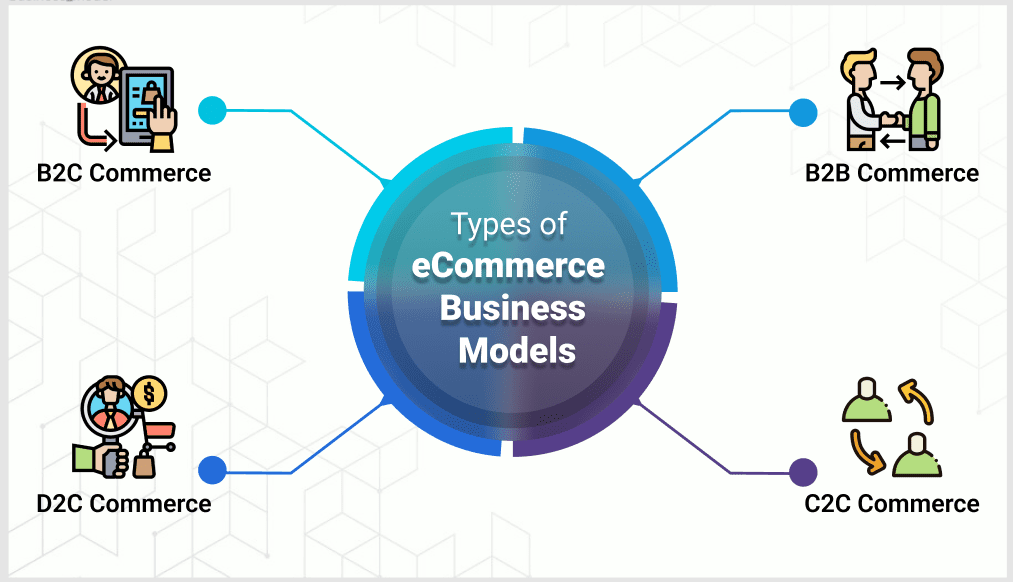
Ecommerce operates through several business models, each shaping the way products are sold, delivered, and returned. The four primary ecommerce models are:
Each model presents unique challenges for ecommerce returns and post-purchase logistics. For example, in B2C, customer expectations for fast, hassle-free returns are high. In B2B, return processes might involve higher value inventory and stricter compliance. Overall, returns management is a crucial function influencing customer satisfaction and operational efficiency across all models.
Ecommerce returns have become a defining aspect of modern online shopping. With the rise of free returns and trial-before-you-buy programs, the volume of returned merchandise is higher than ever. Customers expect flexibility, transparency, and minimal effort when returning products, making the experience a key differentiator in online retail.
"For 84% of consumers, a positive returns experience encourages repeat purchases with a retailer."
To meet these evolving expectations, many retailers are adopting streamlined return pickup services and digitized return workflows. These innovations reduce friction for customers and minimize the operational overhead for retailers.
Technology is rapidly improving how ecommerce returns are managed at scale. Modern logistics platforms and mobile apps are making returns as simple as online checkouts. Here’s how:
Platforms that integrate advanced logistics technology help businesses handle return surges, reduce costs, and unlock critical post-purchase data. As return rates continue to grow, efficient technology-driven solutions strengthen reputation and streamline supply chains for all ecommerce business models.
nVerse, a digital reverse logistics platform operated by WeReturn Inc., is at the forefront of this change. With nVerse, users can schedule a return pickup directly from their home using a simple mobile app. A gig-powered driver then collects the item and delivers it to the designated return location—often on the same day. This reimagined experience benefits:
This evolution in return logistics shows how ecommerce returns are now a central pillar of the post-purchase journey. By leveraging technology, platforms like nVerse enable businesses to deliver the seamless return experiences today’s customers expect.
Learn more about digital return pickup innovation at nversenow.com.
After purchasing online, customers initiate a return via the retailer’s website or app, print a prepaid label, and ship the product back to the merchant or designated return processor. Increasingly, automated systems and mobile apps are simplifying this process and enabling home pickups.
A return pickup service allows customers to have unwanted items collected from their doorstep by a logistics provider, removing the need to drop off packages at brick-and-mortar locations, post offices, or parcel lockers.
Reverse logistics is critical for customer satisfaction and operational efficiency. Efficient ecommerce returns reduce costs, minimize excess inventory, and increase the likelihood of repeat business.
Technology streamlines labeling, pickup scheduling, tracking, and analytics—empowering retailers and consumers to manage returns quickly, transparently, and securely.
Partner with nVerse to improve your customer return experience. Learn more about effortless online returns at nversenow.com.
Download the nVerse app to schedule a return pickup from home: