

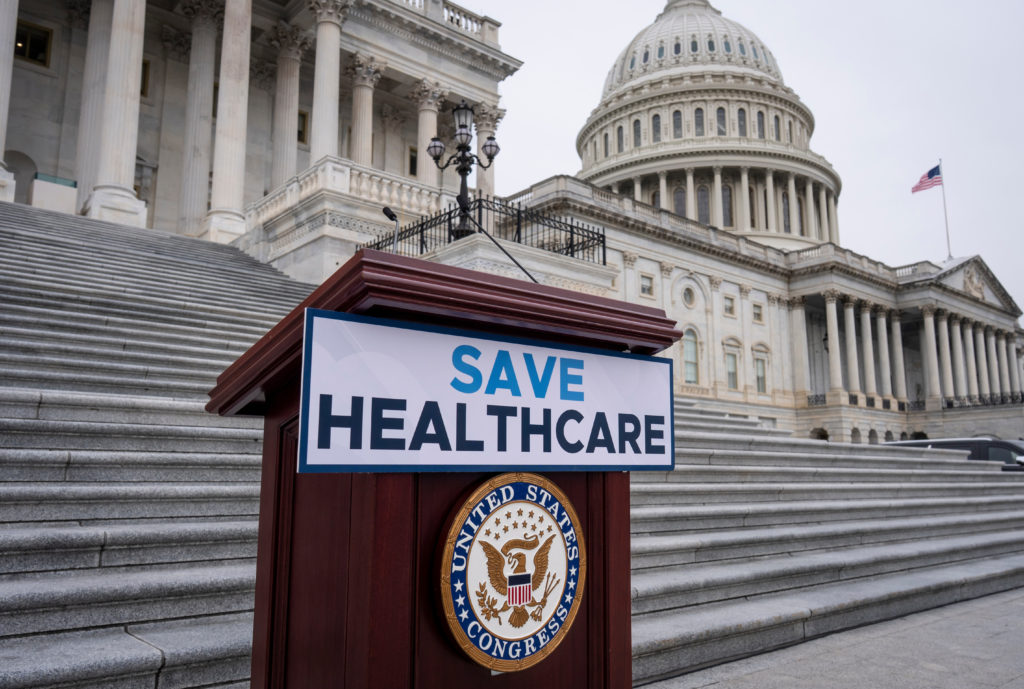
The looming partial government shutdown presents significant hurdles for federal health funding, particularly affecting appropriations for the Department of Homeland Security (DHS) and related health programs. A shutdown could delay essential funding decisions, as legislative bodies such as the House of Representatives will not reconvene until early February, potentially stalling the passage of critical bills. This delay holds widespread consequences not only for public health agencies but also for healthcare providers reliant on government resources to maintain service continuity.
*The uncertainties around government funding cycles have ripple effects beyond policy, impacting operational logistics, procurement, and the flow of medical goods and services nationwide.*
One of the key disruptions at risk is the extension of telehealth services, which have proven vital during health crises by providing remote care options and reducing patient exposure. Funding delays threaten the sustainability of these programs, which bolster accessibility for rural and underserved populations. Enhanced telehealth policies support not only clinical outcomes but also reduce logistical burdens associated with in-person visits, such as transportation and physical infrastructure requirements.
"Extending telehealth funding is more than a convenience—it's a crucial link in maintaining equitable healthcare access during uncertain times."
Delayed appropriations may also impact other health packages designed to support emergency response readiness and medical supply procurement, amplifying operational challenges for health systems across the country.
From an nVerse perspective, the funding uncertainties underscore the fragile nature of healthcare delivery logistics. Online platforms and telehealth systems depend heavily on consistent supply chains and efficient delivery mechanisms to ensure pharmaceutical products, medical devices, and consumables reach patients promptly. Interruptions in government funding risk delays in delivery schedules, compounding challenges in just-in-time inventory practices.
Sustainability remains a vital component in healthcare logistics, particularly as the sector navigates funding and legislative challenges. Efficient reverse logistics not only reduce waste but also enhance consumer convenience by simplifying the return and replacement process for health products. Ensuring that telehealth and delivery services operate sustainably aligns with growing consumer expectations for eco-friendly solutions while maintaining accessibility.
Innovative packaging, optimized delivery routes, and digital solutions for managing returns will be key drivers in helping the healthcare sector adapt to funding uncertainties without compromising service quality or environmental responsibility.
Source: Partial Government Shutdown Looms, Threatening To Stall Health Funding Package - J&R Report