

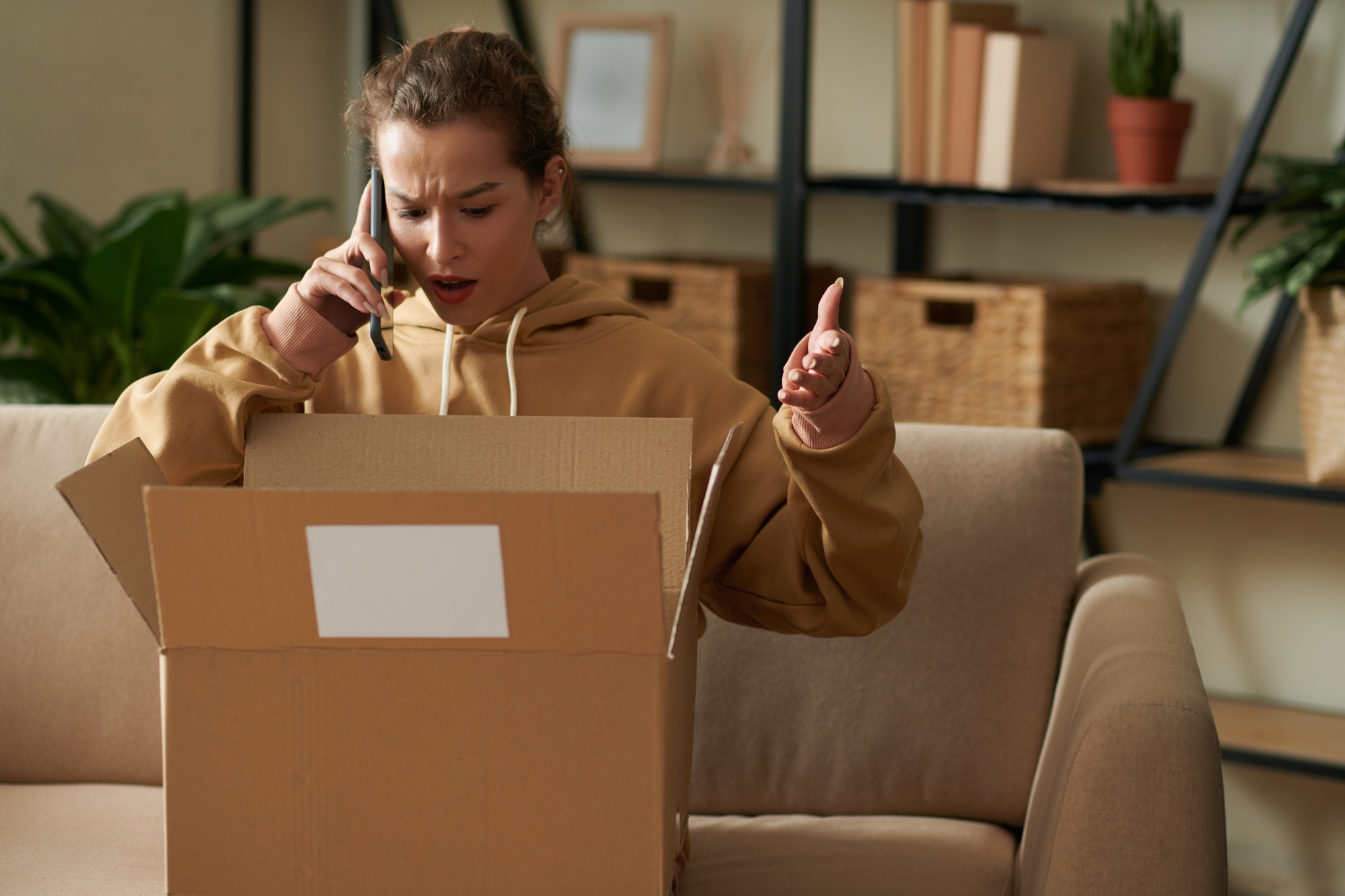
Ecommerce returns are an essential aspect of the online retail experience. Understanding which product types are most frequently returned helps businesses develop effective reverse logistics processes. Broadly speaking, the most returned ecommerce products fall into several key categories:
Recent research indicates that fashion and footwear alone account for over 50% of all ecommerce returns, followed by electronics and home goods.
High return rates among these categories present significant logistics hurdles for businesses. Key challenges include:
"22% of all ecommerce purchases are returned, making reverse logistics a major operational consideration for online retailers."
These factors contribute to a growing need for modern solutions that streamline and optimize the return process for both consumers and businesses.
Shoppers increasingly expect seamless ecommerce returns, prompting the rise of tech-driven return management solutions. Key innovations include:
The result is a frictionless and convenient return experience that benefits both shoppers and retailers, addressing one of the leading obstacles to online purchasing: return uncertainty.
Platforms like nVerse are shaping the next era of ecommerce returns with a focus on logistics flexibility and customer convenience. By allowing shoppers to schedule doorstep pickups through a central app, nVerse leverages gig-powered logistics to complete returns faster and more efficiently than traditional methods.
This approach benefits businesses by:
Return logistics has become an integral part of the post-purchase experience rather than an afterthought. Advanced platforms like nVerse enable businesses to meet the growing demand for convenient, tech-powered return solutions—from product pickup to final delivery at the designated location.
Partner with nVerse to improve your customer return experience. Learn more about effortless online returns at nversenow.com.
Download the nVerse app to schedule a return pickup from home:
Ecommerce returns refer to products purchased online that are sent back by customers due to issues like sizing, defects, or unmet expectations. Returns require a structured process for reverse logistics and customer service.
Return pickup services allow shoppers to schedule package collection from their home or office. Gig-economy drivers retrieve the parcel and deliver it directly to the merchant’s return location, making returns more convenient for the customer.
Reverse logistics helps retailers manage returned goods efficiently, reduce losses from damaged inventory, and improve customer satisfaction by providing a hassle-free return experience.
Technology such as mobile apps, automated tracking, and logistics integration streamlines the return journey, making it faster and easier for both shoppers and businesses to manage ecommerce returns.