

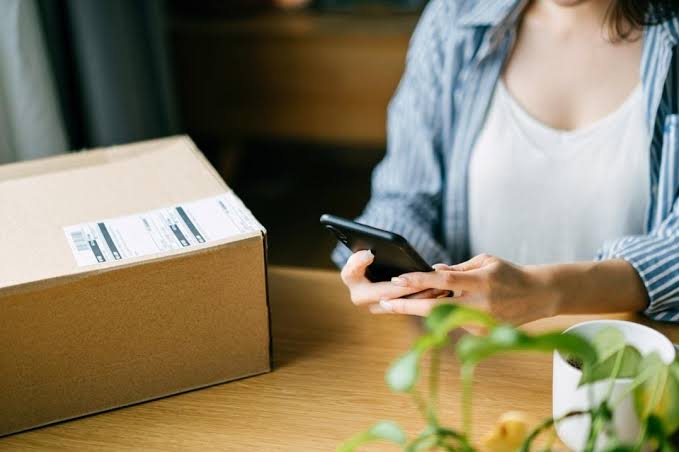
A retail return window defines the time frame in which consumers can send back purchased items for a refund, replacement, or store credit. For both online and in-person shoppers, understanding this deadline is critical—missed windows mean missed opportunities for returns.
Most retailers specify their return policies during checkout or on receipts, but the details can vary greatly depending on the store, the type of item, and whether the product was bought online or in-store. In ecommerce, the return window often starts the day your order is delivered—not the day you purchase it.
Retailers use return windows to minimize losses and streamline reverse logistics. For consumers, a clearly defined return window means reassurance—but also a ticking clock. Knowing how the return window works sets the stage for everything that follows, from your initial unboxing to the question “what happens after you return an item?”
Products returned within the stated window are typically eligible for:
However, not all returns are created equal—some categories (like electronics or swimwear) have more restrictive timelines or require items to remain unopened. Being proactive and reading the fine print saves time, money, and headaches down the road.
Return windows aren’t one-size-fits-all. While many retailers default to 30 days, there is significant variation. Understanding the norms helps you anticipate deadlines and avoid surprise when you initiate a return.
It’s important to note when the return window starts. With in-store purchases, it’s often the transaction date; for online orders, it’s usually the delivery date, which can be confirmed via tracking. For more detail about return periods for various ecommerce categories, see our guide to return limits for online purchases.
Retailers may also have blackout periods, extended windows for gifts, or special return conditions for promotional items. And, even if you beat the clock, it can take several days for your refund to process—delays that add frustration for shoppers. For more insight, explore how long refunds take and what affects the timeline.
Missing a retail return window usually means losing refund or exchange privileges. To protect yourself, develop a quick, repeatable process for every online order:
Reverse logistics can be complicated and time-sensitive, particularly for large or high-value items. Using convenient return solutions can help you avoid the post office lines, printing hassles, or missed carrier pickups that push you past the deadline. To learn more about options available to consumers today, read about modern return delivery services for shoppers.
"Proactive planning and leveraging technology-driven return solutions are the easiest ways to stay ahead of return window deadlines."
As returns become a more central part of the online shopping experience, having a process in place is not just smart—it’s essential.
nVerse—a reverse logistics platform from WeReturn Inc.—is helping shape the evolving landscape of return windows and ecommerce convenience. By enabling doorstep return pickups via a mobile app, nVerse shortens the time between your decision to return and when your package is on its way to the retailer. This not only helps shoppers avoid missed deadlines, but also increases package traceability and speeds up refunds.
For retailers, flexible logistics powered by platforms like nVerse reduce friction and encourage more shoppers to try—and buy—with confidence. Doorstep pickups bypass inconvenient trips to the post office and streamline scheduling, providing transparency for both the customer and the business. As post-purchase experiences become a competitive differentiator, retailers are responding by tightening integrations between e-commerce, logistics, and customer service.
In the future, we’ll see tighter coordination between order delivery, package pickup, and automated returns management—all anchored around consumer-friendly return windows. This transformation, led by digital reverse logistics solutions, is making returns more predictable and convenient. Learn more about nVerse at nversenow.com.
The average retail return window for most major retailers is 30 days from the date of in-store purchase or online delivery. However, this can range from as little as 14 days for fast fashion brands to as long as 90 days at some big-box stores. Always check the store’s specific return policy for exceptions and category restrictions.
For online purchases, the return window almost always starts on the delivery date—the day the item arrives at your address. For in-store buys, it starts on the date of purchase. Always review your receipt or order confirmation to confirm the exact start of your window.
The fastest way to return online purchases within the retail return window is to use a home pickup or drop-off return service. This avoids the post office visit and gets your return on the road the same day, which helps ensure timely refunds and compliance with the retailer’s deadline.
Many retailers offer extended return windows for gifts, especially around holidays. These are often well-publicized and may allow returns until mid-January or beyond. Always confirm the deadline specified for gift returns, as some exceptions apply for clearance or seasonal items.
Schedule your return with nVerse to guarantee your package is picked up and processed within your return window.
For questions or support, contact nVerse at Support@nversenow.com or call 1-844-868-3773.