

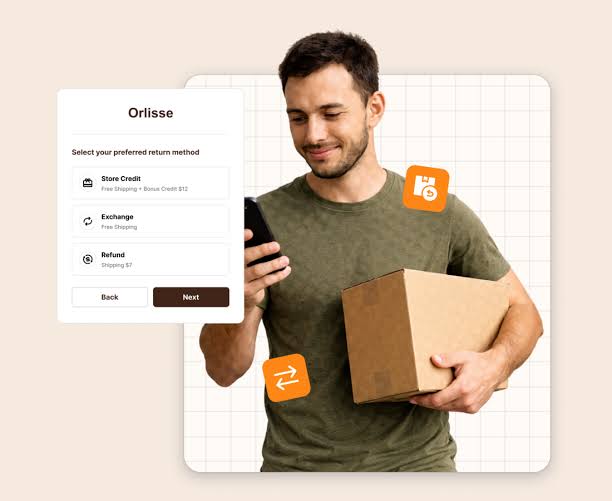
Online shopping has made convenience the standard, but it has also introduced new complexities around returns. Understanding the difference between a return policy vs exchange policy is crucial for both consumers and retailers. Although these terms are often used interchangeably, they refer to distinct processes that shape the ecommerce return experience.
Return Policy: This is a retailer’s framework that outlines how customers can return unwanted, defective, or incorrect items for a refund. Return policies specify timeframes, conditions, and what kinds of refunds are available—store credit, original payment method, or gift cards.
Exchange Policy: In contrast, an exchange policy details the steps for swapping a purchased product for an alternative—often a different size, color, or an upgrade. It may overlap with the return policy, but the focus is always replacement, not refund.
The distinction seems small but shapes everything from logistics to customer satisfaction and how inventory is managed on the backend. For a more detailed breakdown, see our guide on the difference between returns and exchanges in ecommerce.
The way return and exchange policies are structured has far-reaching implications for both online shoppers and businesses. Shoppers look for flexible, transparent policies before making a purchase, and ease of returns can directly impact conversion rates.
A clear return policy can give buyers peace of mind—knowing they can easily get a refund if a product isn’t right. Meanwhile, a robust exchange policy helps shoppers quickly resolve sizing or style issues without the frustration of returning, waiting, and reordering. Convenient returns and exchanges are increasingly tied to a positive ecommerce return experience.
Retailers must carefully design both policies to balance customer satisfaction and operational costs. Liberal return windows may boost customer confidence but can increase reverse logistics expenses. In contrast, strict exchange-only policies can lower refund risk, but may reduce sales and harm brand reputation.
"A seamless, tech-enabled returns process is now considered table stakes for ecommerce brands that want to build long-term trust."
From a logistics perspective, every return or exchange triggers a series of steps—item verification, refund issuance or product replacement, restocking, and more. Innovations like return pickups removing pain points for customers also improve efficiency for retailers.
For every scenario, return policy vs exchange policy clarity improves customer trust while enabling operational predictability. For a behind-the-scenes look at what happens after you send an item back, read the complete return journey explained.
nVerse is reshaping the way ecommerce returns and exchanges are handled by leveraging doorstep pickup and real-time logistics, making the reverse process as smooth as initial delivery. As reverse logistics becomes central to the post-purchase experience, having a clear distinction between a return policy vs exchange policy is more important than ever—misunderstandings lead to confusion, delays, and added operational burden for both shoppers and retailers.
With nVerse, users can easily initiate either a return or an exchange right from their phone, schedule a doorstep pickup, and track progress in real time. Retailers benefit from accurate, policy-driven workflows that match every package to the right disposition—refund or swap—and help streamline inventory management. This logistical clarity not only reduces customer frustration but also supports brands in building loyalty and controlling reverse supply chain costs.
As policies and technology evolve, platforms like nVerse ensure that both consumers and businesses benefit from smarter, more convenient returns—whether sending an item back or exchanging it for something better. The modern return experience is becoming a key battleground for customer satisfaction and brand differentiation.
A return policy allows shoppers to send products back for a refund or store credit, while an exchange policy lets them swap the item for a different version, such as an alternate size or color. Some retailers combine both, but clarity on the outcome—refund or replacement—is key.
Retailers may restrict returns to exchanges in order to reduce refund abuse, protect inventory, or encourage customers to keep their business. Exchange-only policies still offer flexibility but may not fully address cases where the customer wants their money back.
Returns are generally routed back to a warehouse or central return location for inspection and refund, while exchanges may trigger a new outbound shipment of an alternative product—even before the original item arrives. Reverse logistics processes must track, inspect, and route each transaction according to the policy’s intent.
Yes, platforms like nVerse enable customers to initiate return or exchange pickups from their doorstep, streamlining both refund and replacement processes. These tech-forward models improve customer experience and operational speed for retailers.
Understand smarter returns and make your post-purchase process frictionless with nVerse.
Discover how easy online returns can be at
nversenow.com.
Need help? Contact nVerse support at Support@nversenow.com or call 1-844-868-3773.