

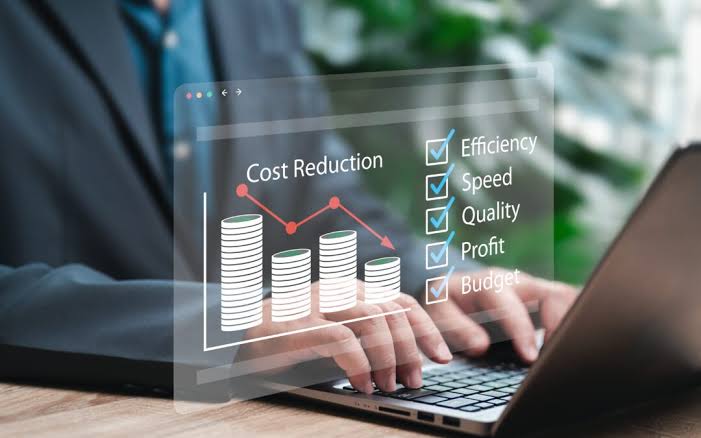
In ecommerce, return rates can exceed 20% of total sales—introducing significant operational headwinds for retailers and logistics partners. For operations leaders, the pressure to reduce return costs is both ongoing and intensifying, as greater consumer choice and home delivery convenience lead to higher volumes and escalating management expenses.
The true burden of returns goes well beyond the cost of shipping unwanted products back to a warehouse. Expenses add up in the form of:
Even a small improvement in return workflows can have a significant, compounding impact on profitability at scale. That’s why operations leaders are investing in returns management software and advanced reverse logistics technologies to lower their per-return expenses.
Returns management software is engineered to address inefficiencies and manual processes that inflate operational costs. By digitizing and automating the workflow from return initiation to refund, these platforms reduce the need for repetitive labor, speed up cycle times, and minimize the risk of costly errors or bottlenecks.
Core cost-saving features typically include:
By enabling these smarter workflows, retailers and logistics providers not only cut direct expenses, but also boost customer satisfaction and reduce secondary costs tied to escalations, disputes, or excess inventory.
For a step-by-step look at technology-driven returns, explore how returns management software works from request to refund and see where each cost-saving opportunity appears in the process.
Successful returns management platforms create measurable impact through specific workflow enhancements. Below are the most impactful optimizations for operational leaders determined to reduce return costs:
Software-based returns management automates repetitive tasks such as data entry, eligibility checks, label generation, and communication. This shrinks the volume of manual work required for each return, lowering labor costs and nearly eliminating human errors that can result in loss or additional service time.
With real-time tracking and integrated scheduling, same-day retrieval and return processing are now achievable. A speedy return cycle means goods are back in sellable inventory faster, minimizing markdowns and obsolescence.
Software-driven logistics tools can route returns to the optimal location—such as the closest distribution center, refurbishing facility, or direct-to-vendor—reducing unnecessary freight and handling costs. Batch pickups or zone-based aggregation can further lower transportation expense.
For a wider strategic overview, see how smarter return delivery can lower business costs and drive more efficient resource allocation throughout your reverse logistics operation.
Frictionless, tech-enabled return options (like doorstep pickup) not only save time and cost, but also decrease customer support surge, improve NPS, and reduce the risk of costly negative reviews or churn. Optimized communication workflows ensure customers are never left guessing about the return status and refund timeline.
For a deeper dive on the benefits of digitized return processes, read returns management software and why does your business need it.
"Every process step you automate or optimize in the reverse logistics chain directly reduces both the visible and hidden costs of returns management."
Finally, there are actionable strategies retailers can implement to rein in costs at every turn—explore 10 smart ways retailers can reduce ecommerce return costs for focused recommendations.
nVerse is modernizing the reverse logistics landscape with a platform that streamlines returns from doorstep to final destination. By empowering shoppers to schedule pickups from home via mobile app and using a distributed network of gig-economy drivers for immediate, direct return delivery, nVerse enables operational leaders to reduce return costs while elevating the customer experience.
Doorstep collection not only reduces friction for customers but also eliminates the need for costly, inefficient in-store drop-offs and manual handling at traditional return counters. This model drastically cuts redundant inventory transfers and shrinkage, fully integrates with returns management software, and provides same-day tracking for every return leg.
As ecommerce matures, return logistics is no longer an afterthought—it's a core dimension of the post-purchase experience and a critical driver of operational cost optimization. Smarter, software-driven workflows paired with flexible logistics like those pioneered by nVerse are setting the new standard for efficient, customer-friendly returns.
For more about nVerse’s approach, visit nversenow.com.
Returns management software reduces manual work, accelerates turnaround, and prevents costly mistakes by automating the end-to-end return process. This translates into direct savings through less labor, fewer errors, and improved inventory utilization.
The most impactful workflows to optimize are RMA processing, tracking and routing, returns intake, communication, and refund authorization. Automating these steps eliminates bottlenecks and lowers handling costs.
Home pickup can reduce return costs by consolidating logistics and removing overhead from store or counter returns. It also accelerates the entire reverse logistics cycle, keeping costs in check and minimizing inventory exposure.
Key metrics to track are cost per return, refund cycle time, rate of lost or delayed packages, support ticket volume, and inventory recovery speed. Improvements in these figures signal effective cost reduction.
Ready to reduce return costs with nVerse? Simplify your post-purchase workflow and unlock new operational efficiencies at nversenow.com.
For questions or support, contact nVerse at Support@nversenow.com or call 1-844-868-3773.