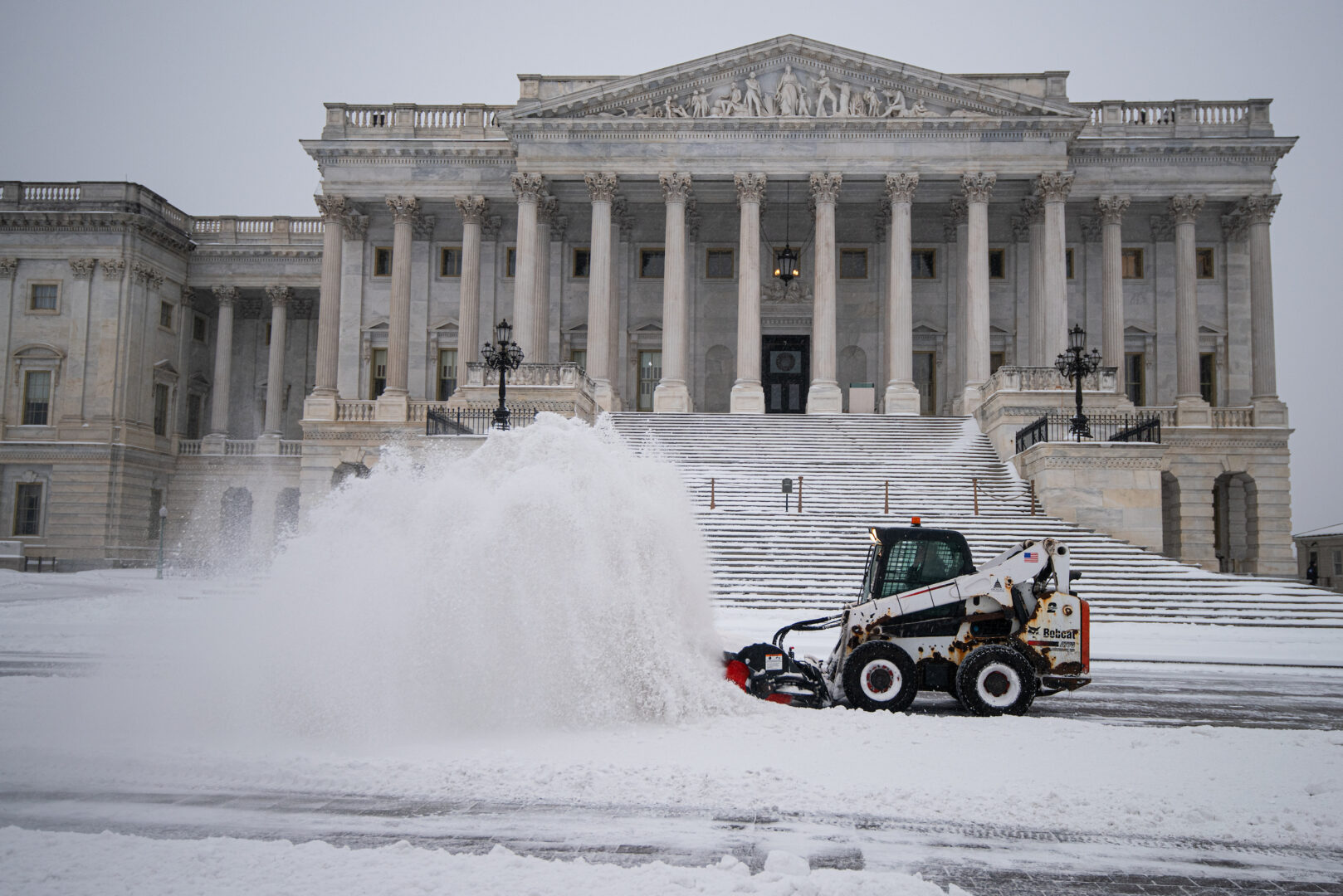
This week: Senate returns, staring at possible partial government shutdown - Roll Call
Table of Contents
Navigating the Possible Partial Government Shutdown
As the Senate prepares to return this week, a potential partial government shutdown looms on the horizon. The House has passed six spending bills bundled together, awaiting Senate review. This pause in federal operations creates ripple effects that extend far beyond Capitol Hill, including significant disruptions in workflows, funding delays, and public service interruptions.
"In times of governmental uncertainty, agility and communication become paramount to avoid systemic gridlocks."
Online Returns & Reverse Logistics: Lessons from Government Processes
Just as government operations face hurdles during funding uncertainties, the e-commerce industry grapples with streamlined return management and reverse logistics challenges. Efficient processing and refunding of returned goods is critical to maintaining consumer trust and operational sustainability.
- Seamless integration of return channels can reduce delays similarly to how governmental bill packages aim to minimize shutdown risks.
- Leveraging data-driven forecasting optimizes inspection and restocking workflows.
- Innovative reverse logistics solutions decrease environmental impacts and operational costs.
Sustainability and Delivery Logistics in Uncertain Times
Whether managing governmental funding or global delivery routes, sustainability remains a shared priority. Partial shutdowns or delays strain systems, urging adoption of greener, more resilient logistics practices.
- Consolidated shipments minimize carbon footprints when operations face unpredictability.
- Return logistics that emphasize reusability help reduce waste during volatile periods.
- Technology-driven transparency enhances planning under constrained resources.
Consumer Convenience Amidst Increasing Complexities
In a world where both government operations and commerce encounter challenges, the consumer's experience must remain smooth and predictable. By applying strategic lessons from political processes, retailers can improve their customer service and fulfillment models.
- Proactive communication about delays builds trust, mirroring governmental transparency efforts.
- Flexible return windows and convenient pickup options enhance satisfaction.
- Investing in automated support systems reduces friction during high-volume periods.
FAQ
- What is a partial government shutdown and how does it affect commerce?
- A partial government shutdown occurs when funding gaps prevent agencies from operating fully, impacting regulatory approvals, customs, and supply chain processes, which can disrupt commerce and logistics.
- How can reverse logistics improve sustainability?
- By efficiently managing product returns and refurbishments, reverse logistics reduces waste, lowers emissions, and fosters a circular economy.
- What are best practices for handling delivery logistics during operational uncertainties?
- Best practices include route optimization, real-time tracking, consolidated shipping, and contingency planning to maintain timely deliveries.
- How does consumer convenience tie into reverse logistics?
- Providing hassle-free return options and clear updates empowers consumers, enhancing loyalty and reducing the complexity of returns management.
Original article: This week: Senate returns, staring at possible partial government shutdown - Roll Call