

The recent Supreme Court decision on tariffs has sparked demands for refunds across various retail sectors. This ruling challenges prior tariff structures impacting import costs, compelling retailers to reassess pricing strategies and supply chain arrangements. For many businesses, recovering refunded amounts from tariffs not only affects profitability but also reshapes operational budgeting in areas like sourcing and inventory management.
Retailers are particularly attentive to how tariff changes influence cross-border shipments and product costs. The fluctuating trade environment underscores the necessity for agility in compliance and financial planning.
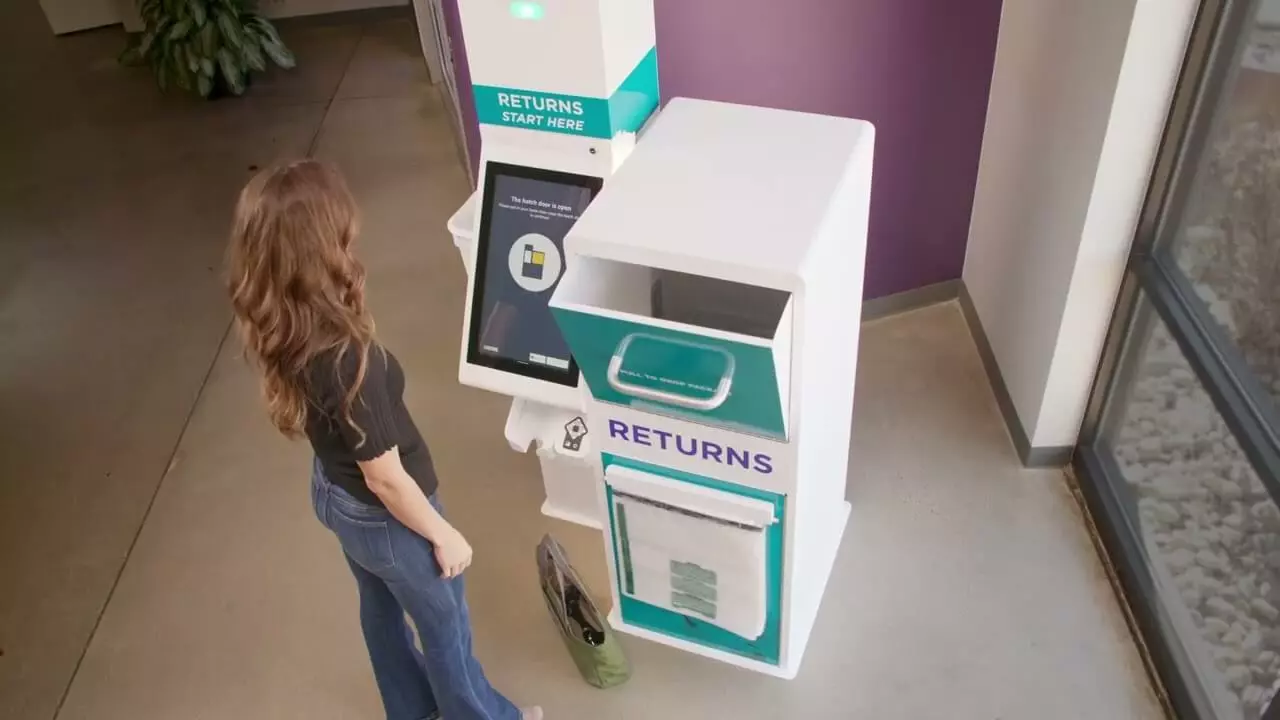
As e-commerce expands, managing online returns has become a critical operational hurdle, closely tied to the tariff landscape and refund demands. Effective reverse logistics—handling the return flow of goods—has a direct impact on cost control and customer satisfaction. Retailers must integrate smart tracking solutions and streamlined reverse channels to minimize losses from returns and associated tariffs.
"Optimizing reverse logistics is as critical as forward fulfillment in today’s omnichannel retail environment."
Investment in automated return processing and real-time inventory updates supports smoother refunds and tariff recalculations. This ensures retailers maintain transparency and efficiency in managing consumer expectations.
Sustainability is becoming integral to retail operations, particularly in the context of returns and tariff adjustments. Efficient reverse logistics reduce waste and carbon footprints by enabling refurbishing, reselling, or recycling of returned products. Consumers increasingly demand convenient return options that do not compromise eco-friendly practices.
Leveraging green delivery methods and sustainable packaging further enhances brand trust, aligning with the responsibility retailers hold in a post-tariff refund environment.
Looking ahead, retailers must remain proactive in anticipating regulatory changes around tariffs and evolving e-commerce behaviors. Advanced analytics and AI-driven fulfillment networks promise enhanced accuracy in forecasting refund impacts and logistics demands.
Incorporation of blockchain for transparent tariff tracking and smart contracts could revolutionize how refunds and duties are processed, reducing disputes and delays.
The ruling impacts how tariffs are applied and refunded, affecting costs on imported goods and requiring retailers to adjust pricing and supply chain strategies accordingly.
Tariffs complicate the cost structure for returned goods, making efficient reverse logistics essential to manage refunds and maintain profitability.
Sustainable practices in returns and delivery can reduce environmental impact while meeting consumer demands for responsible retailing, even amid tariff adjustments.
AI, blockchain, and automated reverse logistics systems enable smarter forecasting, transparency, and quicker refund resolutions for tariff-related costs.
Source: Democrats, Retailers Push for Refunds Following Supreme Court Ruling on Tariffs