

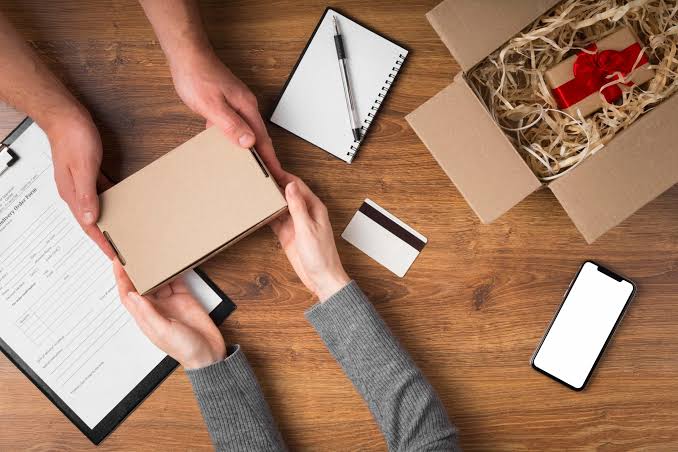
The future of return policies in ecommerce is rapidly evolving, driven by dramatic shifts in consumer expectations, advances in technology, and the need for streamlined reverse logistics. Modern shoppers demand frictionless return experiences, reflecting a larger shift toward customer-centric operations across retail. At the same time, retailers are seeking ways to reduce operational costs and optimize their supply chains. The intersection of these realities is reshaping the return landscape and accelerating the adoption of flexible, digital-first policies.
Among the critical drivers:
As a result, retailers and logistics leaders are exploring new models to reduce return friction and boost satisfaction. Innovations such as doorstep pickups, API-driven return management, and last-mile gig networks are reshaping operational standards, as observed in deep dives into the future of home return pickup: smarter, faster, and more convenient returns.
Tomorrow’s most successful return policies will be defined by three core attributes: flexibility, digitization, and a resolute focus on the customer. Let’s examine each.
Retailers are moving away from rigid conditions—like short windows, mandatory receipts, and restricted channels—toward policies that allow buyers to initiate returns easily, from anywhere, and via multiple channels. Flexible options can include:
"Flexibility in returns is no longer an option—it's a requirement for building trust and repeat business in the digital era."
Modern return management hinges on digitized workflows, leveraging APIs, cloud platforms, and mobile interfaces. Customers are empowered to request and monitor returns straight from their phones, while businesses use real-time data and analytics to proactively manage inventory and refund cycles.
New platforms are overcoming legacy pain points and inefficiencies. For example, streamlined systems are the focus of how return pickup eliminates the biggest return frustrations for both customers and brands.
The leading return policies are those engineered with user convenience as the north star. This includes transparent communication, fast refunds, and eliminating the need for difficult drop-offs. By turning returns into a seamless experience, retailers foster brand loyalty and boost recommendations.
Research on how return pickup improves the ecommerce return experience indicates that companies embracing convenience-first return logistics outperform less nimble competitors on customer satisfaction metrics.
The embrace of doorstep collection, mobile returns apps, and gig-economy couriers is reshaping what customers expect from return experiences. These technology leaps are not just customer pleasers—they have operational impacts:
As covered in analysis of the future of return delivery: faster, smarter, and more customer-friendly, this new digital convenience is setting a baseline for what is considered acceptable in the post-purchase journey.
For retailers, integrating advanced return pickup options into the customer experience—whether through third-party apps or owned platforms—is quickly becoming a competitive requirement rather than a premium feature.
nVerse is at the forefront of transforming reverse logistics and return management for modern ecommerce. By allowing customers to schedule doorstep pickups directly from a mobile app, nVerse bridges the gap between consumer expectations and operational reality. This gig-enabled logistics model enables same-day returns from home, drastically reducing friction for shoppers while streamlining the return workflow for retailers and carriers alike.
As the future of return policies grows more flexible and digital, platforms like nVerse empower brands to adopt customer-first solutions that boost loyalty, lower costs, and optimize inventory flow. Reverse logistics is no longer just a backend function—it’s a pivotal piece of the modern post-purchase journey. Companies that invest in these flexible, tech-driven approaches are positioned to outperform as the ecommerce landscape continues to mature.
To see how the latest technology is shaping returns, visit nversenow.com.
Digital return policies provide operational efficiency, cut manual workload, and enable real-time analytics. They also help businesses meet customer expectations for fast, visible, and easy returns, which in turn increases satisfaction and loyalty.
A return pickup service allows customers to request the collection of unwanted items from their doorstep, typically through a mobile app or online portal. Once scheduled, a logistics provider dispatches a driver to the address, picks up the package, and returns it to the appropriate location—often processing the return faster than conventional methods.
Flexible return policies are becoming the norm because customers expect hassle-free returns, which influence their likelihood to shop again. Retailers investing in more adaptable options also see improvements in brand reputation and reduced customer churn.
Return pickup eliminates key pain points, such as the need to drive to a drop-off location or wait in line. By making returns as easy as online shopping, these services strengthen trust and satisfaction, key drivers of long-term loyalty.
Discover the future of returns with nVerse and join the next wave of customer-first ecommerce logistics. Learn more about streamlined, digital returns at nversenow.com.
For questions or support, contact nVerse at Support@nversenow.com or call 1-844-868-3773.