

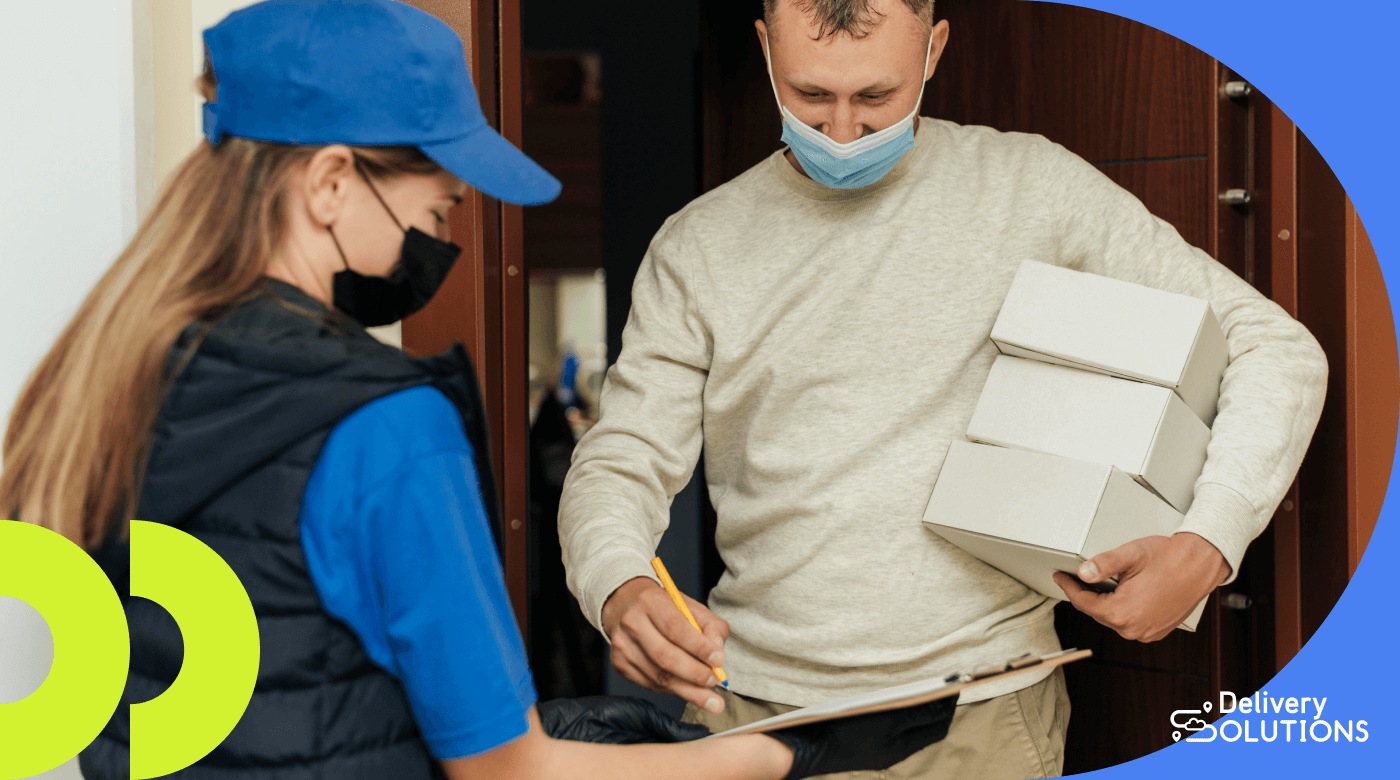
The future of return delivery is rapidly evolving as ecommerce matures and customer expectations rise. Today, reverse logistics functions are no longer relegated to the back end of retail operations; efficient, user-friendly return delivery is becoming a competitive differentiator. Retailers and logistics leaders are recognizing that a seamless return process can directly influence conversion rates and long-term brand loyalty.
Key trends shaping this market include:
As solutions like return delivery vs. return shipping: what's the difference become more widely understood, retailers are investing in the infrastructure, partnerships, and technology needed to support the new return economy.
Modern return delivery is powered by a new generation of logistics technology that streamlines processes, reduces error rates, and makes returns user-centric. Artificial intelligence, automation, route optimization, and mobile-first UX are reshaping how reverse logistics operate.
AI-powered route optimization ensures that return pickups can be scheduled on-demand and delivered to the correct processing facility with minimal delay. This not only lowers fuel costs and emissions, but also accelerates the refund or exchange process for shoppers.
Machine learning tools analyze return patterns at the product, order, and customer level, yielding actionable insights for both retailers and logistics providers. For a deeper dive into next-gen automation in reverse logistics, see the future of reverse logistics: automation, ai, and home return pickup.
The customer journey in return delivery now mirrors that of forward delivery: intuitive mobile apps, status notifications, and self-service scheduling. Traditional pain points—like reboxing, printing labels, and traveling to drop-off points—are rapidly being eliminated in favor of low-effort, app-driven pickups.
Platforms that integrate these features position themselves as critical connectors between ecommerce brands, logistics providers, and end customers. Solutions are being built to address each step in the reverse chain, from initiation through to the final destination. For a process-level overview, read how reverse logistics works: from customer return to final destination.
As the future of return delivery unfolds, a dual focus has emerged: making the returns process both easier for consumers and more sustainable for the environment. Simple, expedited return pickup experiences reduce not just customer inconvenience but also operational waste, such as unnecessary trips or poorly consolidated shipments.
"The next-generation return delivery ecosystem must balance consumer convenience with transparency, speed, and circularity."
Retailers offering advanced returns solutions build loyalty and trust, which is especially critical as customer expectations for convenience grow. As convenience and sustainability advance together, the industry will likely see even greater adoption of models outlined in the future of home return pickup: smarter, faster, and more convenient returns.
Digital-first return delivery platforms like nVerse are setting the standard for what modern reverse logistics should look like. By empowering online shoppers to schedule return pickups from their doorstep, and by using gig-powered drivers to deliver packages directly to retail partners or warehouses, nVerse is simplifying the entire return delivery landscape. This approach enables quicker refund cycles, more reliable tracking, and a hassle-free customer experience.
For retailers, integrating with solutions such as nVerse decreases operational overhead, strengthens brand reputation, and enables meaningful circular supply chain initiatives. Return logistics is emerging as a crucial, customer-facing part of ecommerce strategy—not simply a cost to be minimized, but a loyalty-building touchpoint. Ready to see how nVerse fits into your future returns vision? Visit nversenow.com.
Modern return delivery leverages technology for flexible at-home pickups, automated notifications, and rapid processing, whereas traditional models often require customers to travel to drop-off locations and navigate complex paperwork. Today, the process is streamlined for both shoppers and businesses.
AI, mobile applications, real-time tracking, and automation platforms are driving rapid innovation in return delivery, empowering a seamless, data-driven, and customer-first return experience.
Efficient and easy returns greatly influence whether customers will shop again with a brand. A poor returns experience often leads to abandoned baskets and negative reviews, while seamless return delivery boosts satisfaction and long-term loyalty.
Yes, technologies that optimize routing and consolidate pickups reduce the number of trips and related emissions, supporting circular economy goals while making returns simpler for customers.
Explore the future with nVerse—see how customer-focused return logistics can power your business. Learn more at nversenow.com.
For questions or support, contact nVerse at Support@nversenow.com or call 1-844-868-3773.