

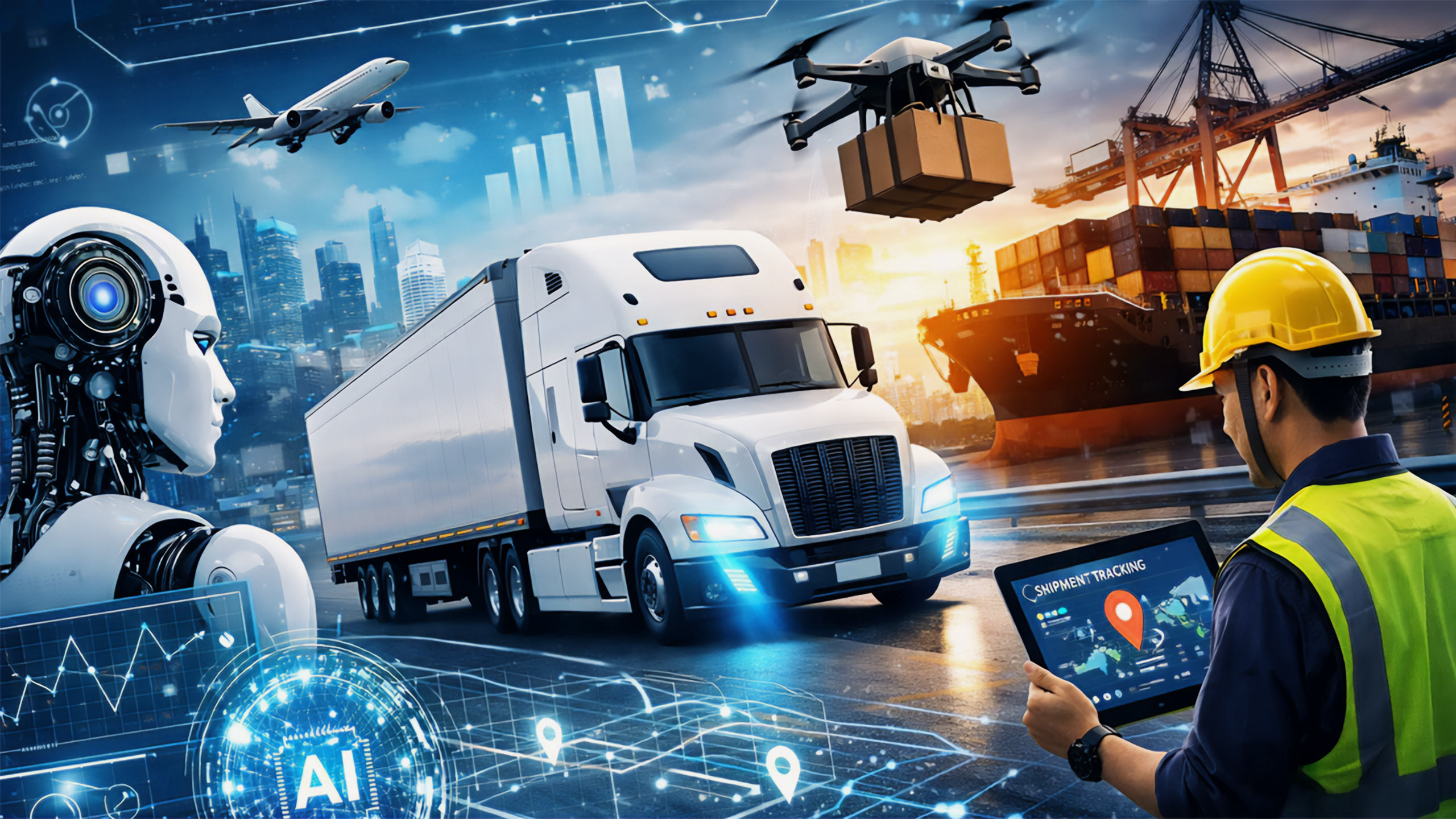
The future of reverse logistics is rapidly evolving as ecommerce volume continues to surge and consumer expectations for returns rise in parallel. Traditionally, reverse logistics centered on moving returned goods from the customer back to the retailer or manufacturer, but digital commerce and shifting customer preferences are driving a need for greater speed, transparency, and operational excellence.
Retailers now see returns not as a necessary burden, but as a customer touchpoint that can differentiate their brand. According to recent industry data, US retailers process hundreds of billions of dollars in returns annually – a figure expected to grow as online sales increase. In this new landscape, companies are reimagining returns as a service, leveraging real-time tracking, flexible pickup options, and data-driven logistics.
Today, operational models must move beyond static return policies and high-friction drop-offs toward integrated, tech-empowered workflows. As detailed in how reverse logistics works: from customer return to final destination, the process is increasingly interconnected—requiring optimized return intake, sorting, and restocking that feeds valuable data into omnichannel supply chains.
Automation and artificial intelligence are now essential to meeting the efficiency and scalability demands of modern reverse logistics. Automated sorting systems, robotic package handling, and AI-powered demand forecasting are redefining how returns are processed. These technologies drive down costs and cycle times by analyzing real-time return flows, identifying optimal routing, and automating warehouse operations.
For ecommerce brands, AI enables smarter disposition decisions—whether an item is restocked, resold, refurbished, or recycled—accelerating the recovery of valuable inventory and minimizing environmental impact. Advanced algorithms can flag high-risk returns, streamline reimbursement approvals, and even inform future merchandising decisions with granular customer feedback.
Retailers are increasingly investing in end-to-end automation platforms to maintain flexibility across both traditional and reverse logistical operations. For a deeper dive into these emerging retail return technologies, review the future of ecommerce returns: automation, AI, and convenience.
"Automation is turning reverse logistics from a cost center into a source of actionable business intelligence and customer loyalty."
As omnichannel retail matures, convenience has become the ultimate differentiator in the returns process. The next frontier in the future of reverse logistics is door-to-door home return pickup. Rather than requiring customers to print labels and queue at drop-off points, platforms like nVerse empower shoppers to schedule a pickup via a mobile app, providing real-time tracking and same-day reimbursement potential.
In tandem, automated return management software is tracking each parcel, integrating carrier APIs, and ensuring seamless reimbursement decisions. Retailers evaluating reverse logistics providers should consider customer-facing technology as essential infrastructure, not a nice-to-have. The distinct advantages of these trends are further illustrated in reverse logistics vs traditional logistics: what's the difference?.
nVerse is a reverse logistics platform that streamlines ecommerce returns by allowing customers to schedule home pickups via a user-friendly app. With gig-powered drivers executing efficient, same-day doorstep returns, nVerse partners with retailers to deliver greater convenience and operational insight. As the post-purchase experience becomes a core brand differentiator, solutions like nVerse ensure that returns generate satisfaction, not frustration—and that every returned package drives future sales, loyalty, and actionable business intelligence.
This shift is making reverse logistics a pivotal part of the ecommerce value chain, rather than an afterthought. By integrating automation, data intelligence, and home collection, platforms are elevating reverse logistics from back-office complexity to a competitive advantage. For more about nVerse’s vision and technology, visit nversenow.com.
Reverse logistics in ecommerce refers to the process of managing product returns, from the initial customer request through to resale, refurbishment, or recycling. This includes transportation, restocking, and potential repairs or disposal—all designed to recover value from returned goods.
Automation streamlines repeatable tasks like sorting, tracking, and reimbursement, allowing retailers to process a higher volume of returns with reduced manual effort. Automated systems also provide real-time data and faster refunds—creating a better customer experience overall.
Home return pickup increases convenience for shoppers by removing the need for trips to drop-off locations. It speeds up the returns process, improves tracking for all parties, and can result in faster refunds, making it a strategic choice for retailers looking to boost customer satisfaction.
Retailers benefit from reverse logistics technology by reducing costs, streamlining internal workflows, capturing data for process improvement, and enhancing the customer experience—ultimately driving retention and long-term profitability.
Partner with nVerse to improve your customer return experience. Learn more about effortless online returns at nversenow.com.
Download the nVerse app to schedule a return pickup from home: