

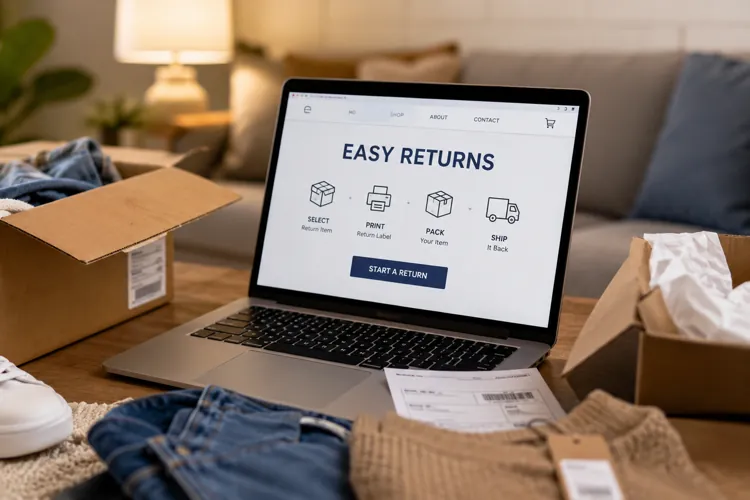
A strong retail return policy is more than just a page of fine print. For consumers, a “customer-friendly” policy means convenience, flexibility, and minimal friction—especially in a world where ecommerce drives more frequent and varied returns. Retailers that understand shoppers expect fast, easy, and transparent return experiences are adapting their strategies to retain loyalty and encourage repeat purchases.
The essentials of a customer-friendly retail return policy include:
An open and fair retail return policy signals that a brand prioritizes its customers’ satisfaction. As outlined in what makes a customer-friendly return policy, easy returns aren’t just a perk—they’re essential for modern ecommerce.
Not all return experiences are created equal. The following comparison highlights how leading online retailers address returns, revealing innovations—and pain points—for consumers.
Many top retailers now recognize that a frictionless return experience can set their brands apart. Flexible policies and digital tools are increasingly common, as discussed in how future return policies are becoming more flexible and digital. Yet, even the best policies can be undermined by logistical complexity—like the need to print labels, find a box, or travel to a drop-off site.
Despite improvements in digital return processes, one of the biggest pain points for consumers remains the physical step of getting the package back to the retailer. Even the most generous retail return policy can lead to frustration if it requires a trip to a shipping store, long wait times, or coordinating schedules. This is where home pickup return services are transforming the experience.
With app-based home pickup, users can:
"Home return pickup eliminates the most inconvenient step of online retail returns, replacing long lines and car trips with on-demand, at-your-door service."
These benefits closely align with what consumers want and what retailers increasingly provide to boost post-purchase satisfaction. In fact, as further explored in the future of home return pickup: smarter, faster, and more convenient returns, gig-powered platforms are making these logistics options widely accessible, offering a win-win for both shoppers and businesses.
nVerse, operated by WeReturn Inc., is at the forefront of a new era in return management by offering a seamless, home-based reverse logistics platform. Using the nVerse app, online shoppers can schedule returns for doorstep pickup, transforming the once-cumbersome process of returns into an effortless experience. This gig-powered model ensures parcels reach designated return hubs the same day, removing critical frictions from the retail return policy landscape.
With return logistics now recognized as a vital extension of online shopping, platforms like nVerse support retailers in delivering a truly customer-first post-purchase journey. By digitizing and decentralizing returns, nVerse empowers both shoppers and businesses to save time, streamline refunds, and improve sustainability across the reverse supply chain.
To find out how nVerse makes home return pickup the new standard for convenience, visit the nVerse official website.
Look for clear return windows (at least 30 days), straightforward eligibility criteria, free return shipping options, and digital tools for managing returns. Retailers who offer home pickup or multiple drop-off methods provide the most flexibility to consumers.
Home return pickups allow you to schedule a driver through a platform or app to collect your package from your doorstep at a convenient time. The item is then delivered to the retailer or return supplier, often accelerating refund processing and eliminating the need to visit a drop-off location.
Yes, research shows that easy and flexible return policies boost consumer confidence, which often translates into more frequent purchases and reduced hesitation at checkout. Retailers with best-in-class policies typically see stronger customer loyalty and long-term sales growth.
Return policies allow customers to send items back for a refund, while exchange policies let customers replace an item with a different size, color, or product. Some retailers integrate both, while others enforce stricter rules, especially in digital return workflows.
Experience easier returns with nVerse—schedule a pickup from your doorstep to enjoy seamless, hassle-free returns on your online purchases.
For questions or support, contact nVerse at Support@nversenow.com or call 1-844-868-3773.