

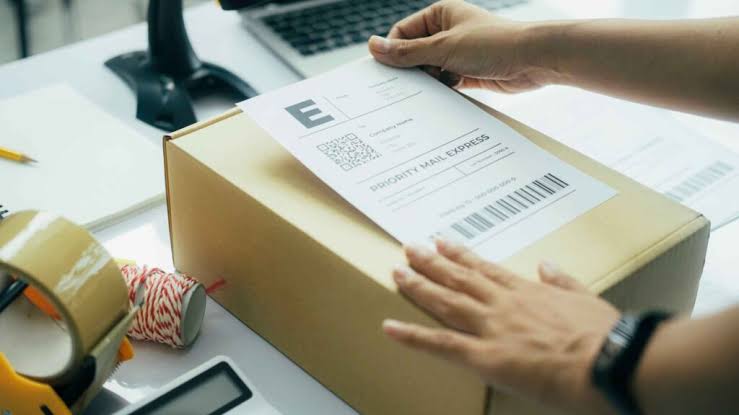
Return delivery is the process by which goods are transported back from a customer to a retailer, warehouse, or designated return center. In the context of ecommerce, it's the critical "reverse" movement of products that have been purchased online but are being sent back—often due to sizing, dissatisfaction, damage, or other issues. This process not only restores inventory to the seller but also ensures the customer is refunded or receives a replacement.
Traditionally, return delivery involved multiple steps for the shopper: packaging the item, printing shipping labels, driving to a courier or drop-off location, and waiting for the retailer to process the returned item. This can be cumbersome and time-consuming, especially for those without convenient access to delivery infrastructure.
With growing ecommerce volumes, the efficiency of return delivery has a direct impact on customer satisfaction and retailer operations. Same-day or scheduled pickups, offered by platforms like nVerse, are transforming the expected standard for reverse logistics and making return delivery faster and simpler.
Return delivery is a cornerstone of the overall ecommerce return process. It sits at the intersection of customer service, logistics, and inventory management. The main steps in a typical ecommerce return include:
For businesses, efficient return delivery supports fast inventory reconciliation and improved customer loyalty. For customers, it defines how quickly a refund or exchange will be processed.
The integration of technology is making this process more seamless. For example, companies are introducing automated tracking, scheduled pickups, and digital notifications, eliminating the guesswork and manual steps once common in return delivery management. Notably, return pickup eliminates the biggest return frustrations faced by both shoppers and retailers, as documented in recent industry insights.
Handling returns is inherently more complex than outbound shipping. Every return delivery comes with unique challenges:
The industry is meeting these challenges with innovative logistics models. Technologies like real-time routing, gig economy drivers, and automated notifications are streamlining the delivery leg of returns. Home pickup services, in particular, are gaining popularity, turning a traditionally inconvenient process into a value-added part of the purchase journey.
For a closer look at how artificial intelligence and routing optimization are reshaping the industry, see the future of reverse logistics: automation, AI, and home return pickup. Additionally, understanding the distinction between forward and reverse movements in the supply chain is key, as highlighted in reverse logistics vs traditional logistics: what's the difference.
"Retailers that succeed in return delivery treat it not just as a cost center, but as an opportunity to build customer trust and operational efficiency."
nVerse, operated by WeReturn Inc., is redefining how return delivery works in the ecommerce landscape. The platform enables online shoppers to request doorstep package pickup using the nVerse mobile app, removing the need to travel to post offices or wait in return lines. For delivery drivers, nVerse creates a streamlined channel for reverse logistics, efficiently moving products from consumers back to retailers or warehouses on the same day.
This gig-powered approach to return delivery not only increases speed and convenience but also leverages real-time scheduling and route optimization. With these advances, return logistics is now a strategic component of the ecommerce post-purchase experience, helping retailers reduce friction, retain customers, and manage inventory cycles more effectively.
To learn more about this seamless returns ecosystem and its benefits for shoppers and retailers alike, visit nversenow.com.
Return delivery for online purchases starts when a customer initiates a return and ends when the product arrives back at the merchant’s location. The process may include scheduling a pickup or dropping the item at a partnered location, after which a courier or logistics service ensures its transportation back for inspection and refund processing.
Doorstep return pickup eliminates the need to travel to a shipping drop-off or post office, saving time and reducing hassle. Shoppers can schedule returns for a convenient time, while businesses benefit from increased return rates and improved customer satisfaction.
Efficient and transparent return delivery processes lead to higher customer trust and loyalty. Shoppers who feel confident about easy returns are more likely to make repeat purchases and recommend a retailer to others.
Traditional delivery moves goods from retailer to customer, while return delivery transports items in the opposite direction—from customer back to retailer. The logistics, timing, and packaging requirements often differ, requiring specialized processes and technology for returns.
Partner with nVerse to improve your customer return experience. Learn more about effortless online returns at nversenow.com.
For questions or support, contact nVerse at Support@nversenow.com or call 1-844-868-3773.