

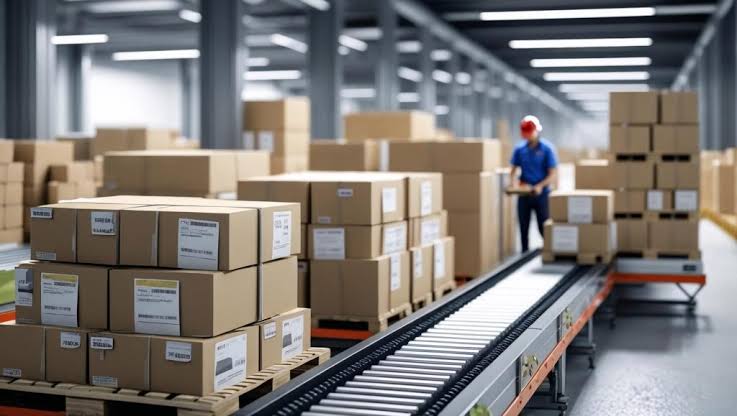
For ecommerce businesses, the ability to process product returns efficiently is no longer a nice-to-have—it’s a core strategic capability. Ecommerce reverse logistics is the organized process of managing goods as they move from the customer back through the supply chain after a return or exchange is initiated. This includes everything from consumer packaging, transportation, inspection, restocking, to final disposition.
Unlike traditional forward logistics—which is focused on getting products to consumers—reverse logistics is inherently reactive and can be much more complex. It encompasses:
Reverse logistics in ecommerce is now recognized as a customer experience battleground. How efficiently a retailer handles returns shapes buyer trust and loyalty, impacts operational costs, and influences long-term growth.
Major retailers set the standard, but any online business—regardless of size—can benefit from understanding how leading retailers use reverse logistics to improve customer experience.
Ecommerce returns can account for up to 30% of all shipped products, creating substantial logistical and financial challenges. Costs can quickly escalate from restocking, lost sales, return shipping, warehousing, and labor. Retailers that lack a well-orchestrated reverse logistics network often experience poor return visibility, slow product processing, and dissatisfied customers.
Operational challenges typically include:
Yet, each of these challenges holds potential for innovation. Platforms that digitize returns, offer better tracking, and enable logistics on demand are transforming this space. Understanding how reverse logistics works: from customer return to final destination can help businesses evaluate where to streamline their own processes.
"A seamless reverse logistics process doesn’t just cut costs—it directly influences whether a one-time buyer becomes a loyal repeat customer."
Returns are an inevitable feature of ecommerce, but the way businesses manage them can turn a pain point into a competitive advantage. Efficient ecommerce reverse logistics directly impacts financial growth by reducing cost leakage and maximizing returned inventory value. More importantly, it breeds customer retention and trust.
Key benefits of a modernized returns strategy:
Top-performing retailers make returns easy, not just as a service but as a deliberate growth strategy. Innovations like integrated doorstep pickups—where a logistics partner collects returns at the customer's home—are rapidly boosting customer expectations and shaping loyalty drivers. These advanced methods are covered in detail in our guide on how doorstep pickups boost ecommerce customer loyalty.
Beyond customer experience, efficient reverse logistics allows businesses to better analyze reasons for return, improve product quality, lower environmental impact, and reduce the loss on returned goods. For a comprehensive analysis of how smart return solutions drive ecommerce success, explore the blog post Reverse Logistics in Ecommerce: How Smart Returns Drive Success.
nVerse, operated by WeReturn Inc., is redefining how retailers, brands, and marketplaces handle ecommerce reverse logistics. Through a gig-economy powered platform and a user-friendly mobile app, nVerse enables customers to schedule return pickups right from their doorstep—eliminating the friction of packing, labeling, and making trips to drop-off points.
This approach transforms returns into a strategic asset rather than a cost center. By integrating flexible, same-day pickups, nVerse improves transparency, operational agility, and customer satisfaction—all critical pillars for ecommerce businesses looking to boost retention and long-term growth.
As post-purchase customer experience becomes a defining metric for brand success, forward-looking ecommerce teams are investing in solutions that make returns as seamless as delivery. Platforms like nVerse exemplify the future: real-time logistics orchestration and on-demand services that strengthen the entire customer journey after checkout.
Ecommerce reverse logistics is the process of managing products moving back from customers to businesses, usually after a return, exchange, or warranty claim. This includes everything from customer return authorization to final product disposition, such as reselling, refurbishing, or recycling.
Doorstep pickups provide convenience and save time for customers, and improve efficiency for businesses by accelerating return intake and enhancing the overall customer experience. This innovation can significantly impact brand loyalty and repeat purchase rates.
Reverse logistics enables ecommerce businesses to offer easy, fast returns—reducing abandonment and fostering trust. It also boosts profitability by recovering value from returned inventory and optimizing logistics processes, which is key to scaling sustainably.
Retailers can improve returns by offering multiple return channels (including at-home pickups), providing clear return policies, centralizing return tracking, and leveraging technology to automate processing. Enhanced visibility and communication during returns are also crucial.
Partner with nVerse to improve your customer return experience. Learn more about effortless online returns at nversenow.com.
Download the nVerse app to schedule a return pickup from home: