

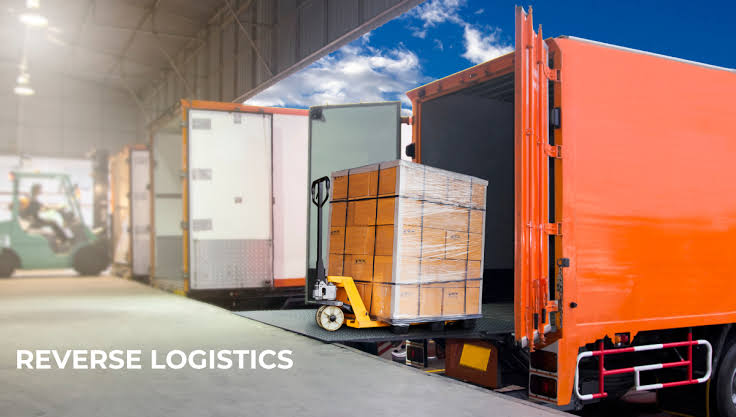
Reverse logistics is the process of moving goods from their final destination back through the supply chain for returns, repairs, refurbishing, recycling, or disposal. In contrast to the traditional forward flow—supplying goods to customers—reverse logistics starts when a product is no longer wanted or needed by the end user and needs to go somewhere else. For ecommerce brands and retailers, reverse logistics is most commonly associated with product returns, but it’s much broader, encompassing any activity that moves merchandise or materials in the opposite direction of typical fulfillment.
The explosion of ecommerce and online shopping has made efficient reverse logistics a critical business priority. Customers expect seamless, transparent return experiences. Brands that cannot meet these expectations face negative reviews, additional support costs, and loss of loyalty. Understanding reverse logistics is now essential for any modern retailer aiming to optimize customer satisfaction while maintaining profitability.
Reverse logistics is more than just shipping a package back to the warehouse. It involves a series of interconnected steps and systems designed to handle the reverse flow as efficiently as possible. The primary components include:
Technology now plays a pivotal role. From automated return management software to real-time package tracking, modern reverse logistics involves precise coordination between digital and physical channels. For brands looking to simplify returns, strategic partnerships with return logistics providers—or deploying integrated solutions like smart returns platforms—are becoming industry standard.
A sound reverse logistics strategy delivers clear business value but comes with significant operational challenges. Leading benefits include:
But the challenges shouldn’t be underestimated. Reverse logistics requires cross-functional coordination, flexible transportation, and detailed tracking at every step. Product valuation is often uncertain. And the cost of returns—including transportation, labor, and lost sales—can erode margin if not managed proactively. To understand the true cost structure of reverse logistics for businesses, brands must measure metrics like return rates, time-to-disposition, and net recovery value.
Customer frustration is also a real risk; if returns are complicated or require long post-office lines, shoppers will think twice about reordering. Addressing the common pain points of ecommerce returns—such as lack of tracking, unclear policies, or return shipping hassles—should be a top priority for any serious online retailer.
“In a world where customer reviews influence reputations overnight, brands are just one negative return experience away from lost revenue and loyalty.”
Ultimately, effective reverse logistics can be a growth engine—but only if paired with agile operations, data transparency, and a customer-centric mindset.
nVerse is redefining reverse logistics by empowering both customers and businesses with streamlined, same-day doorstep return pickup. Through the nVerse platform, ecommerce shoppers can schedule a pickup in-app, eliminating the need to wait in long lines or handle awkward return shipping themselves. A gig-powered driver network coordinates transport, ensuring packages are routed back to merchants or carriers efficiently—often within hours.
This model turns returns from a customer pain point into a loyalty and efficiency driver. As post-purchase experience becomes a key brand differentiator, modern reverse logistics platforms like nVerse are transforming returns into a seamless, tech-enabled touchpoint. With real-time tracking, transparent communication, and integration with leading retailers, reverse logistics is no longer an afterthought but a core pillar of ecommerce operations.
To learn how nVerse is helping retailers and brands simplify the returns process, visit nversenow.com.
Reverse logistics in ecommerce involves customers initiating a return through a website or app, arranging package pickup or drop-off, shipment to a warehouse, inspection, and then processing for restock, resale, or recycling. Every step requires coordination between the retailer, carriers, and technology platforms.
The biggest challenges are high return shipping costs, processing delays, uncertainty about product condition, complex routing for return shipments, and inconsistent customer experiences. Solving these requires investment in technology, operations, and customer communication.
Investing in reverse logistics improves customer satisfaction, reduces operational costs, enhances sustainability efforts, and enables brands to recover value from returned goods. It’s increasingly a competitive necessity as ecommerce return rates rise.
Doorstep return pickup eliminates the biggest hassle for customers: traveling to a post office or drop-off point. It makes the return process fast, convenient, and transparent—improving the likelihood that those customers buy again.
Partner with nVerse to improve your customer return experience. Learn more about effortless online returns at nversenow.com.
Download the nVerse app to schedule a return pickup from home: