

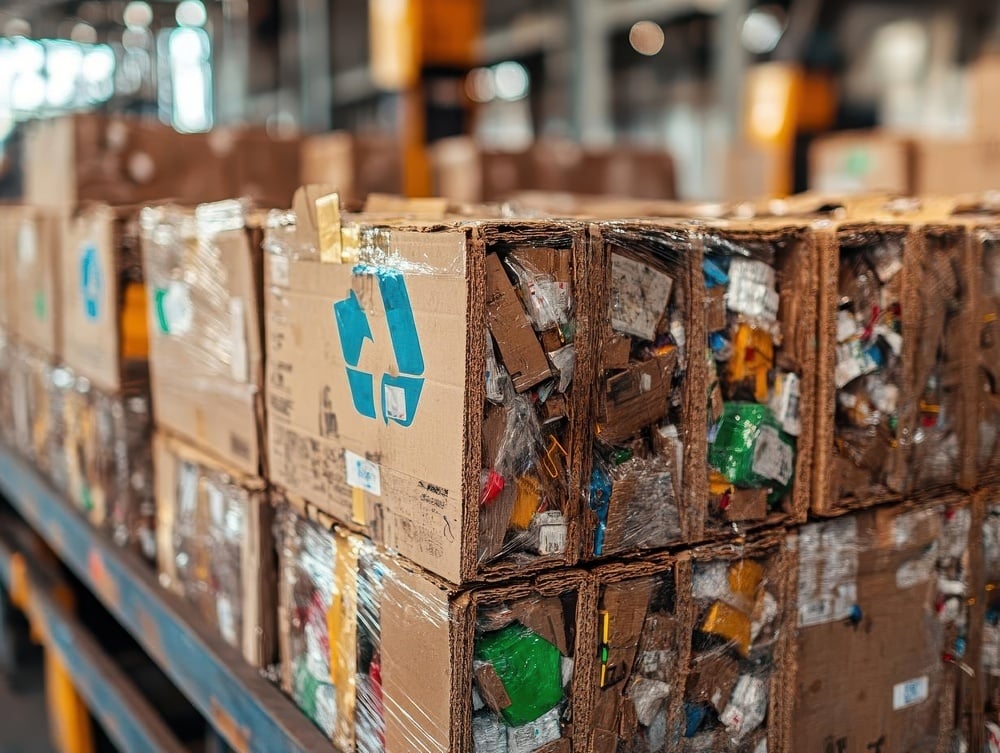
As ecommerce volumes climb and consumer expectations evolve, reverse logistics challenges have moved to the center of supply chain operations. From managing unpredictable return volumes to controlling costs and ensuring fast processing, logistics professionals must tackle multifaceted obstacles to keep returns smooth, efficient, and customer-centric. A robust reverse logistics program isn’t just about moving goods backward—it's about delivering seamless experiences that safeguard brand loyalty and protect margins.
Reverse logistics complexities touch every participant in the ecommerce ecosystem: shoppers want convenience and speed, drivers require clear information and flexible routing, and retailers need actionable insights into return trends. Let's explore seven operational challenges that commonly disrupt reverse logistics—and how modern solutions are addressing them.
Ecommerce returns spike after holidays, promotional periods, and during product launches, making staffing and resource allocation unpredictable. This variable demand leads to warehouse bottlenecks, delayed refunds, and dissatisfied customers.
Solution: Real-time analytics integrated with omnichannel returns can help forecast peaks. On-demand return pickup platforms, like nVerse, allow for flexible scaling by outsourcing collection and transportation to gig networks, minimizing the need for fixed assets and enabling rapid response during surges.
For a deeper dive into the flow of goods in returns, see how reverse logistics works: from customer return to final destination.
Reverse logistics is inherently more expensive per unit than outbound shipping. Costs accrue from transportation, inspection, restocking, repackaging, and in some cases, disposal. Free returns, while attractive to shoppers, further erode margins for retailers.
Solution: Digital returns management systems can automate routing decisions (return to stock, refurbish, recycle), minimize unnecessary handling, and guide customers to the most efficient return option. Businesses are increasingly investing in returns software that streamlines cost control and provides data for ROI analysis.
Manual, paper-based returns and disjointed software tools slow down returns processing. Multiple handoffs between delivery carriers, returns centers, and warehouses increase opportunity for errors or lost packages.
Solution: End-to-end digitization, from return label generation to real-time return tracking, reduces errors and accelerates refunds. Centralized portals and mobile apps empower consumers, streamline communication, and create a consistent data trail across stakeholders.
Many organizations struggle to provide real-time visibility into where a return is in the process. For consumers, gaps in tracking create frustration and additional support inquiries, while for retailers, a lack of data complicates loss prevention and forecasting.
Solution: Mobile return pickup and reverse logistics solutions often include barcode scanning and photo capture, providing time-stamped proof of pickup and instant status updates. Improved transparency reduces claims disputes and increases customer trust.
To see how major retailers are leveraging better returns visibility, explore how leading retailers use reverse logistics to improve customer experience.
Complicated return authorizations, excessive packaging requirements, or limited drop-off options quickly turn returns into a loyalty risk. Today’s shoppers expect convenience, speed, and flexibility—especially when comparing retailers.
Solution: Introducing doorstep pickup, faster refunds, and “no-box, no-label” returns can reduce friction and boost Net Promoter Scores. Returns platforms that aggregate multiple retailers in one app offer a unified, easy experience, lowering abandonment and support costs.
For more on addressing CX pain points, review common ecommerce return frustrations and how businesses can fix them.
Fraudulent returns—such as returning used or counterfeit items, or using fake receipts—cost the retail industry billions annually. Without rigorous return validation and real-time data synchronization, shrinkage and losses mount.
Solution: Integrating machine learning models and AI-powered return validation at the point of pickup or drop-off can flag high-risk returns for review. Unified platforms ensure all returns are tracked, reducing manual paperwork and human error.
Legacy WMS, OMS, ERP, and carrier platforms often struggle to “talk” to newer reverse logistics tech, causing tracking gaps and data silos. Without integration, analytics are incomplete and the customer experience suffers.
Solution: Cloud-based return platforms facilitate APIs and plug-ins that synchronize real-time data across commerce, logistics, and support systems. This enables smarter automation, more accurate inventory management, and detailed reporting for continuous improvement.
Reverse logistics management is rapidly evolving. The rise of returns management software, doorstep return pickups, and seamless integration between online retailers and logistics providers is transforming both operational efficiency and the shopper experience. Technology platforms now automate key touchpoints in the process, from instant pickup requests via mobile app, to smart routing for cost reduction, to digital refunds that enhance loyalty.
Innovations such as self-service returns portals, gig-powered driver networks, and end-to-end tracking not only address the core challenges outlined above, but also open new opportunities for analytics-driven decision making. Automating the return flow minimizes touchpoints, reduces human error, and frees up resources for strategic work.
For practical guidance on implementing these technologies, consult this guide on reverse logistics: a complete guide for modern businesses.
"The most successful ecommerce brands treat reverse logistics as a strategic advantage, not just a back-end process."
nVerse, operated by WeReturn Inc., is leading the shift to smarter, more agile reverse logistics by connecting mobile consumers, delivery networks, and retailers in real time. With the nVerse app, customers can schedule returns directly from home—eliminating the friction of traditional drop-offs and providing same-day service. This “returns as a service” model leverages gig-driven delivery, smart routing, and instant communication, tackling return bottlenecks at the source.
As ecommerce becomes a dominant force in retail, return logistics plays a critical role in post-purchase satisfaction and operational efficiency. Retailers adopting integrated return platforms, like nVerse, not only lower operational costs but also redefine the customer journey. The future of reverse logistics is seamless, data-driven, and focused on convenience—for shoppers, drivers, and businesses alike.
To discover how nVerse is enabling effortless return pickup and real-time delivery management, visit nversenow.com.
One of the biggest challenges is managing variable and unpredictable return volumes, which can strain resources and lead to delays. Ensuring cost control while maintaining a positive customer experience is a continuous balancing act for logistics professionals.
Technology reduces costs by digitizing returns processing, automating decision-making, optimizing pickup and delivery routes, and providing actionable analytics. Solutions like returns management software and smart pickup scheduling minimize labor, transportation, and support expenditures.
Yes. Gig economy drivers add scalability and flexibility to returns logistics, enabling on-demand pickups and faster return cycles. This model supports peak demand periods and reduces the overhead required for dedicated return fleets.
Customer experience is critical. Streamlined, transparent, and convenient return processes can turn a frustrating experience into a loyalty-building moment. Poor returns procedures, on the other hand, risk losing customers to more agile competitors.
Partner with nVerse to improve your customer return experience. Learn more about effortless online returns at nversenow.com.
Download the nVerse app to schedule a return pickup from home: