

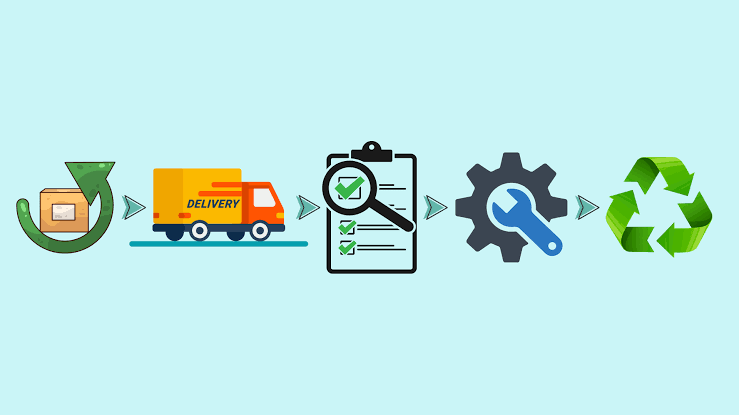
Ecommerce is booming, yet the environmental impact of returns is often overlooked. Traditionally, returns logistics has been focused on speed and convenience, but sustainability leaders now recognize the necessity of sustainable reverse logistics. This approach aims to minimize waste, optimize shipping routes, and divert products from landfills wherever possible. Sustainable reverse logistics is not simply a social responsibility—it's an operational imperative as consumer demand for greener practices grows and regulatory pressures increase worldwide.
Fundamentally, sustainable reverse logistics prioritizes efficient resource use, carbon reduction, and product life extension. As more retailers adopt digital return platforms and gig delivery models, there is a distinct opportunity to transform returns from an environmental liability into a sustainability differentiator.
Reverse logistics begins when a consumer initiates a return, but the path from front door to processing facility can make all the difference for sustainability outcomes. A major driver of positive environmental change is the adoption of scheduled, consolidated return pickups. Instead of countless individual trips to drop-off points, gig-economy drivers can batch pickups along optimized routes—substantially reducing total miles driven per package.
Adding technology to the mix enables further savings. Route optimization software can help drivers combine returns with other deliveries or pickups, maximizing vehicle utilization and reducing emissions per trip. Smart pickups decrease congestion at public drop-off sites and improve traceability, allowing returns to be managed with visibility from start to finish.
Understanding how each stage is orchestrated is key to unlocking sustainability and operational efficiency. For a deep dive into the end-to-end reverse journey, see how reverse logistics works from customer return to final destination.
Sustainable reverse logistics is more than an abstract principle: it delivers quantifiable environmental and business benefits. By enabling more efficient returns management, businesses reduce waste, greenhouse gas emissions, and the risk of unsold returned goods ending up in landfill.
Retailers who prioritize sustainability in their returns process can implement practices such as:
The circular economy depends on such agile reverse flows, with products, components, and packaging re-entering the value chain. Industry leaders have shown that optimizing the return experience can also significantly boost customer lifetime value, as seen in examples covered in how leading retailers use reverse logistics to improve customer experience.
"Smart returns management is where sustainability, customer satisfaction, and operational resilience converge."
For those building a business case, understanding the critical role of reverse logistics in ecommerce growth can be invaluable.
nVerse is at the forefront of the shift to sustainable reverse logistics by offering a streamlined return pickup platform. By allowing shoppers to schedule doorstep returns through a mobile app, nVerse eliminates the need for unnecessary car trips and crowded physical return centers. Gig-powered delivery networks further optimize driver routes, reducing mileage and emissions associated with the traditional return journey.
This approach represents the future of return logistics. Not only does it offer operational gains for retailers and a frictionless experience for consumers, but it also serves larger environmental goals by reducing waste and supporting circular product flows. As the returns process becomes a critical component of the overall ecommerce experience, platforms like nVerse enable businesses to build a greener strategy from the ground up—turning returns from a challenge into a competitive, sustainable advantage.
Sustainable reverse logistics is the practice of designing and managing ecommerce returns in a way that minimizes environmental impact. This includes reducing waste, optimizing pickup routes, using eco-friendly packaging, and ensuring products are reused, refurbished, or recycled whenever possible rather than being sent to landfill.
Technology enables route optimization, real-time package tracking, digital returns processing, and better data analysis. These features help consolidate shipments, reduce wasted resources, and support decisions about reuse, donation, or recycling of returned goods.
Returns management software helps retailers streamline and digitize their returns process, enabling smarter sorting, automatic routing for repairs or donations, and improved packaging management. This leads to fewer errors, faster processing, and less waste at every stage of the return journey.
Businesses can build a greener strategy by offering convenient doorstep returns, consolidating pickups, investing in returns management software, partnering with logistics providers focused on sustainability, and rethinking product design for reusability and repair.
Partner with nVerse to improve your customer return experience. Learn more about effortless online returns at nversenow.com.
Download the nVerse app to schedule a return pickup from home: