

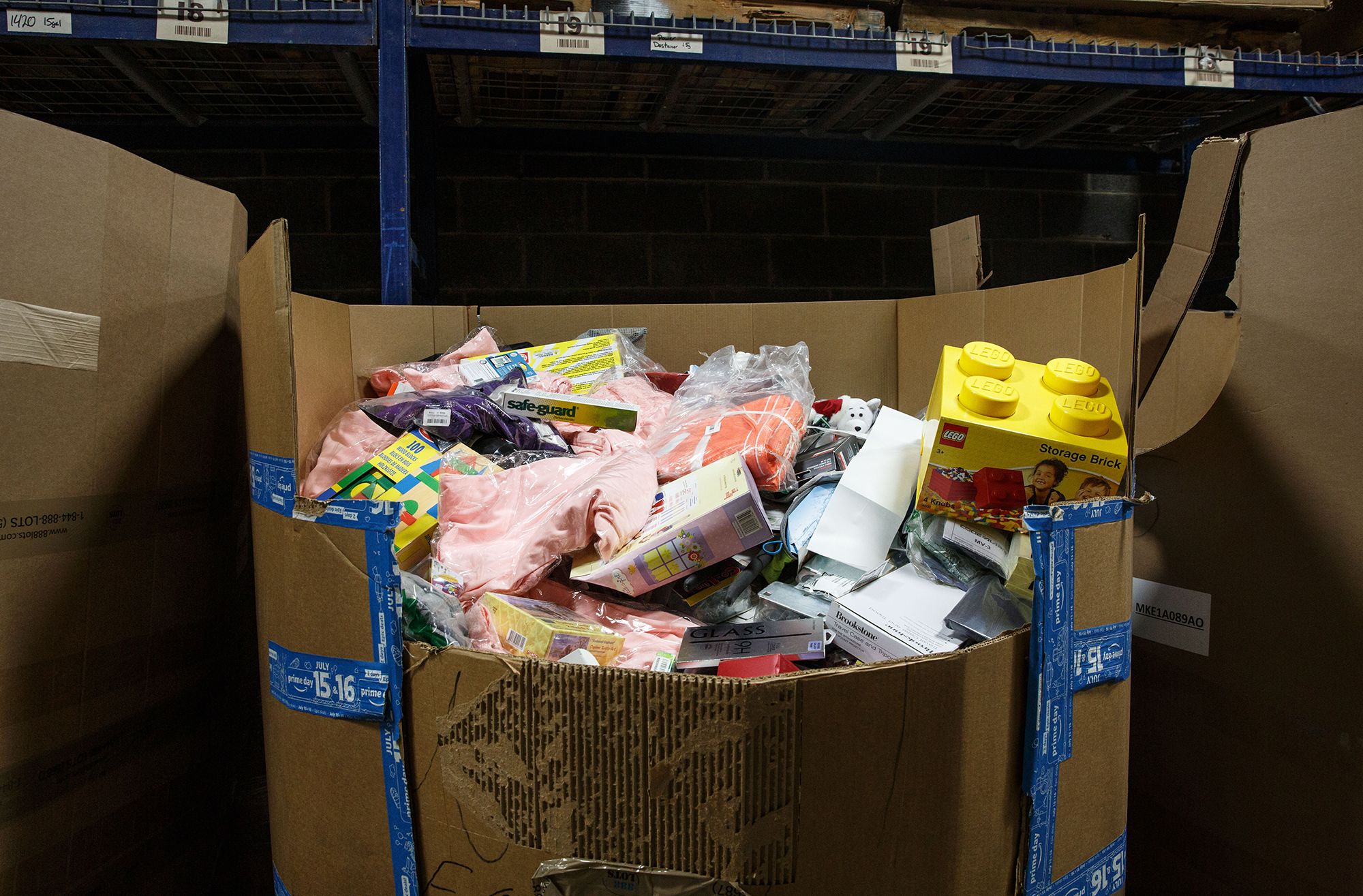
Most consumers know what it’s like to return an online purchase, but few understand what really happens to returned products after that package leaves their hands. The adventure of a returned item rarely ends with shipping it back—it instead travels through a complex chain known as reverse logistics. Understanding this journey reveals why striving for efficient, consumer-friendly, and sustainable solutions is so important in ecommerce.
When a customer decides to return a product, the first step is typically preparing the package. This often involves:
What happens next? The returned package embarks on a journey that inverts the standard “forward” delivery route. It must be transported from the consumer’s doorstep or a collection point back to a sorting facility operated by a carrier, a retailer, or a third-party logistics provider.
For a deeper dive into why this flow is so distinctly different from outbound shipping, review our guide on reverse logistics vs traditional logistics: what's the difference.
Once a returned product enters a logistics network, it is scanned, checked in, and sent through a series of assessments. This process, known as reverse logistics, is designed to efficiently funnel returned goods to their most appropriate destination—be it restocking, refurbishment, recycling, or liquidation.
Returned items are typically sorted at specialized facilities, sometimes known as returns centers or reverse logistics hubs. Here’s what happens:
"Returned products do not simply reverse the supply chain—they require a specialized process that accounts for condition, seasonality, compliance, and sustainability."
Effective returns management is crucial for retailers. According to our piece on why reverse logistics is critical for ecommerce growth, strong processes can reduce costs, improve customer satisfaction, and limit waste.
Retailers are increasingly adopting technology to make returns processing faster and more accurate. Automation, AI, and improved tracking systems are streamlining inspection and disposition. If you’re interested in seeing how the latest innovations are shaping returns, see our report on the future of reverse logistics: automation, ai, and home return pickup.
So where do products go once they are sorted? The fate of returned products depends on their type, value, and condition:
Retailers increasingly factor sustainability into their returns processes. Efficient reverse logistics not only cuts losses but also minimizes landfill waste—a priority covered in our article on how reverse logistics supports sustainable ecommerce.
The final destination of your returned products is the result of hundreds of operational decisions designed to balance value recovery, compliance, and environmental responsibility.
Platforms like nVerse are transforming the way returned products are handled by making the return process just as seamless as the original delivery. Unlike traditional methods, which require consumers to travel to a post office or store, nVerse’s reverse logistics platform enables customers to schedule home pickups via a user-friendly mobile app. A gig-powered driver collects your return from your doorstep and ensures it reaches the retailer or logistics hub—often the very same day.
This modern approach has several advantages:
As reverse logistics increasingly shapes the post-purchase experience, technology-driven platforms like nVerse are positioned to deliver smarter, more efficient returns for online shoppers, drivers, and retailers alike. To explore the future of seamless, consumer-friendly ecommerce returns, visit nversenow.com.
Reverse logistics is the process of moving goods from the consumer back to the retailer or manufacturer for returns, refunds, repairs, or recycling. In ecommerce, it involves collection, inspection, sorting, and final disposition of returned products—a mirror image of regular delivery processes.
Returns introduce complexity because every package must be evaluated for condition and routed for restocking, refurbishment, recycling, or disposal. Reverse logistics lacks the standardization and predictability of forward logistics, making it harder to automate and optimize.
Yes, returns can be more sustainable when platforms prioritize efficient transportation, reduce packaging waste, and maximize reuse or recycling. Retailers are increasingly investing in green reverse logistics systems to minimize their environmental impact.
Home pickup services save time, reduce hassle, and speed up the return process. They improve transparency, reduce errors, and ensure returns are handled with care from door to warehouse.
Discover smarter return logistics with nVerse and streamline your ecommerce return experience.
Learn more about effortless online returns at
nversenow.com.
For questions or support, contact nVerse at Support@nversenow.com or call 1-844-868-3773.